$13.33
Updated on: 2026-01-12
Looking to expand your collection with Hot Wheels collectible cars? This guide shows you how to shop smarter, verify quality, and display like a pro. You’ll learn how to assess casting details, choose the right scale, and avoid common pitfalls. Plus, we’ll share pro tips and product picks that pair perfectly with custom displays and dioramas.
Whether you’re building a display for your office, upgrading a diorama, or hunting rare castings, shopping for die-cast miniatures is more fun when you know what to look for. In this guide, you’ll learn how to evaluate details, protect carded pieces, and buy with confidence. We’ll also point you to authentic, brand-forward releases from manufacturers collectors trust, including GreenLight, Auto World, Johnny Lightning, and more—perfect companions to your Mattel favorites and your track-ready shelf.
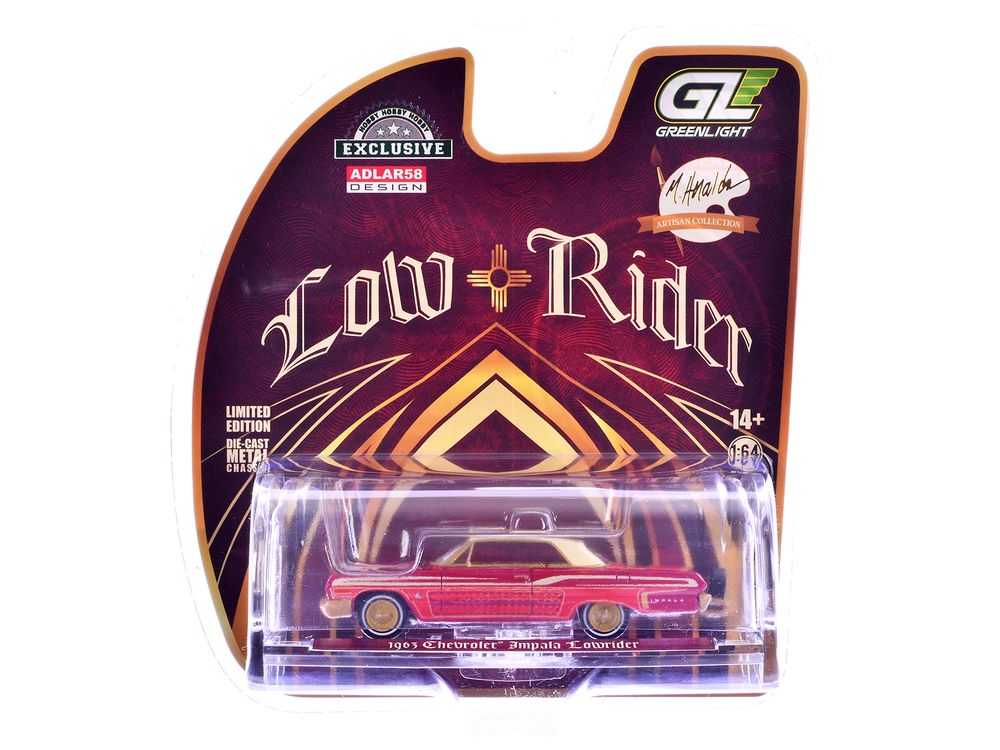
Define your goal. Decide if you’re curating a theme (muscle, JDM, vintage work trucks), finishing a series, or building a diorama scene. Knowing your goal helps you pick castings that tell a cohesive story. For example, a classic American muscle shelf can mix limited-edition muscle cars with period-correct trucks for visual contrast and scale interest.
Pick the right scale. Most collections center on 1:64 for variety and space-saving display, while 1:24 and 1:18 maximize presence and detail. If you’re building a compact diorama or pegboard wall, 1:64 is the sweet spot. Keep your scale consistent across shelves to maintain a clean, gallery-style look.
Check casting fidelity and finishes. Look at the body lines, tampos, wheel choice, and stance. Clear headlights, sharp tampos, and realistic wheelsets add value. Premium lines often include rubber tires and metal bases for heft and realism. Avoid units with obvious paint bubbles, soft edges, or misaligned graphics unless they’re priced as “openers.”
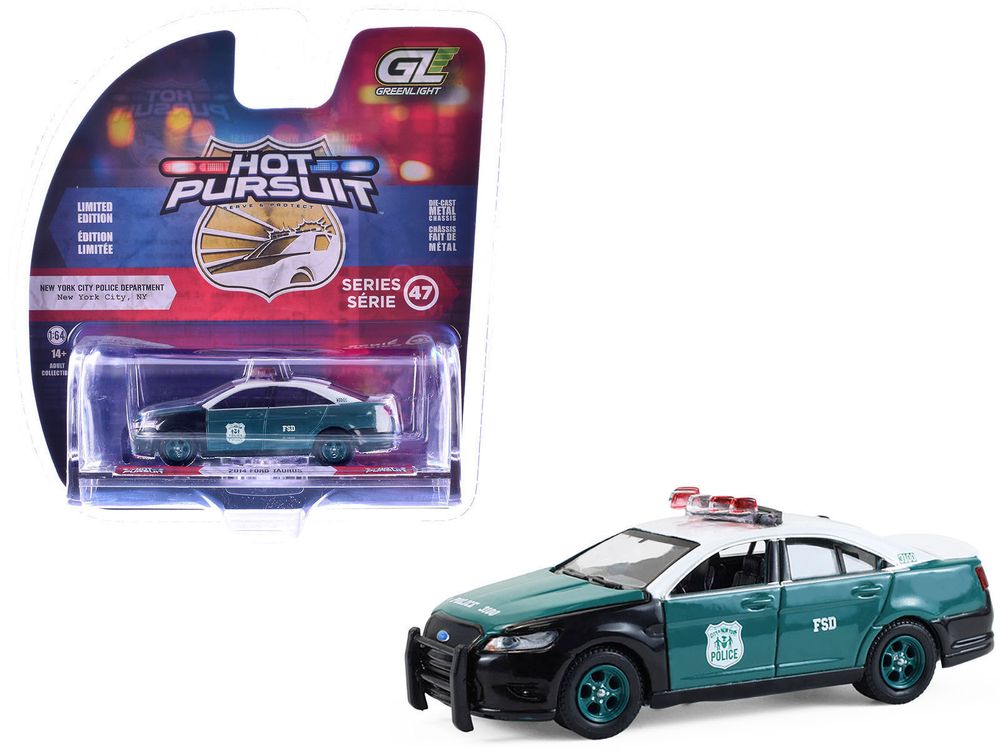
Validate authenticity and release info. Shop with reputable sellers that describe brand, series, and scale clearly. Cross-check product photos against manufacturer shots when possible. Consider complementing your shelf with authentic releases like the detailed 1968 Plymouth GTX, which adds period-correct styling to a muscle car line-up.
Build depth with category anchors. A great collection has heroes and supporting cast. Use distinctive trucks and service vehicles to frame sports cars and coupes. Iconic castings such as the 1956 Ford F-100 deliver texture, color contrast, and era-correct versatility for shelves and dioramas alike.
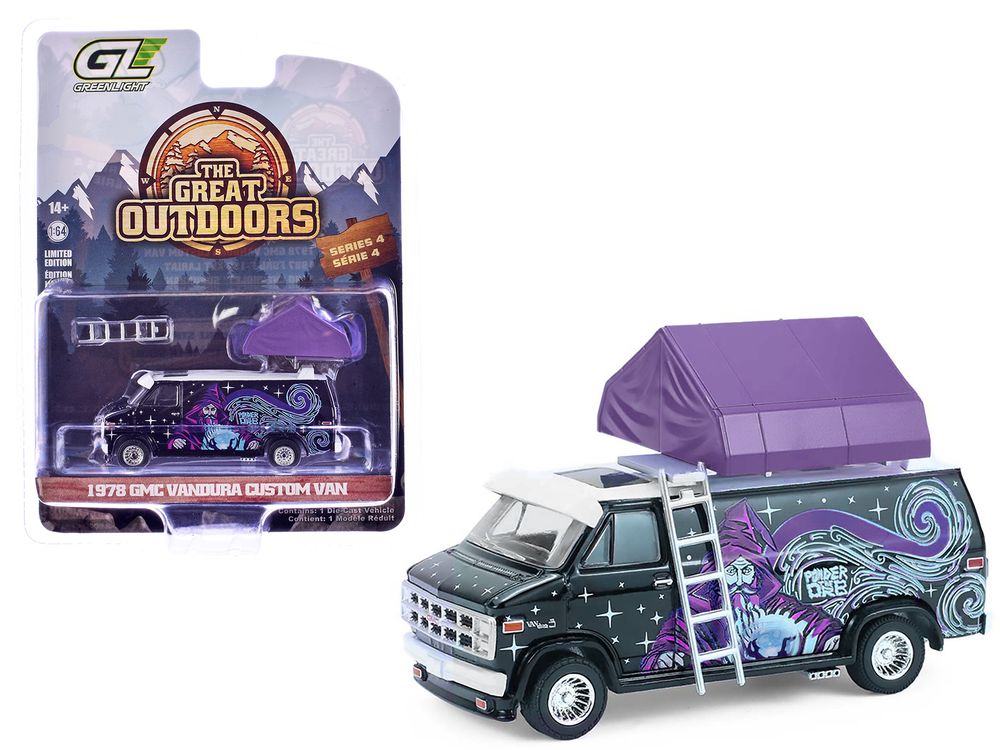
Plan display and protection. Decide between carded displays, acrylic cases, risers, or peg boards. Keep carded pieces out of direct sunlight to prevent yellowing. Use risers to stage chase pieces, and rotate center-stage models monthly to keep your display fresh. For a vintage vibe, consider classic work vans like the Chevrolet Panel Truck to anchor scenes around garages or storefront dioramas.
Curate with sets and themes. Multi-car sets make instant displays and ensure color and livery cohesion. Racing fans, for example, can create a podium scene with the Indy 500 Podium Set. Use a small LED light bar above the shelf to emphasize metallic paint and chrome without heat exposure.
Focus on casting quality, paint, and wheel choice. Premium lines with rubber tires, crisp tampos, and accurate stance hold up better in displays and photos. Check alignment of graphics, door gaps, and lens clarity. Read the product description for brand, scale, and edition notes. If you plan to open it, favor metal bases and detailed interiors for maximum enjoyment and durability.
Choose 1:64 if you want variety and efficient use of space. It’s perfect for multi-shelf walls, peg boards, and compact dioramas. If you want showcase pieces with presence, 1:24 and 1:18 highlight interior and engine detail. Avoid mixing too many scales on one shelf; instead, dedicate each shelf to a single scale for a clean, gallery-style presentation.
For carded, use UV-resistant sleeves or cases, avoid sunlight, and keep humidity stable. Store upright to prevent card curl. For loose models, use acrylic display cases or dustproof shelves with soft liners. Keep silica gel packs nearby to minimize moisture. When moving cars, handle them by the base to avoid fingerprints and micro-scratches on glossy paint.
Curating a standout collection comes down to clear goals, smart selection, and thoughtful display. Start with a theme, choose the right scale, and mix hero cars with characterful support vehicles for depth. Ready to add Hot Wheels collectible cars to your shelf? Use the steps above, pick a few anchor pieces, and turn your wall or diorama into a miniature gallery that evolves with every new release.
Written by the DiecastModeler.com team—collectors, builders, and display nerds who live for great castings and clean shelves. We specialize in die-cast cars, trucks, and diorama accessories and review quality from a collector’s eye. Explore more brand-forward finds on DiecastModeler.com and happy hunting!
The content in this blog post is intended for general information purposes only. It should not be considered as professional, medical, or legal advice. For specific guidance related to your situation, please consult a qualified professional. The store does not assume responsibility for any decisions made based on this information.