$41.24
Updated on: 2025-12-12
Collecting die-cast muscle car replicas is a relaxing, detail-rich hobby that rewards patience and care. This guide explains how to choose the right scale, evaluate quality, and protect your models for years of enjoyment. You will find simple, step-by-step advice, a clear cleaning routine, and answers to common questions about authenticity and value. Whether you are starting fresh or refining your display, this article offers practical ideas to build confidence with diecast model muscle cars while keeping the process enjoyable and stress-free.
Many enthusiasts enjoy the craftsmanship of scale muscle car replicas—the sculpted lines, period-correct paint codes, and functional parts that capture a powerful era of automotive design. If you are new to the hobby, it can feel overwhelming to choose scales, materials, and brands. If you already collect, you might be looking for gentle ways to protect paint, preserve packaging, and organize a growing display.
This article offers a calm, easy-to-follow approach. You will learn how to select models that match your space and style, what to look for in quality, and how to store and clean without stress. Along the way, you will find practical tips, friendly reminders, and a few resources from DiecastModeler.com that may be helpful when you are ready to explore more options.
Start with scale because it affects display space, price, and detail. Popular options include 1:18 for presence and opening parts, 1:24 for balance, and 1:64 for compact collecting. If you have limited space, a consistent scale brings harmony to shelves and cases. Consider where the models will live—desk, cabinet, or wall-mounted shelves—and measure first. When in doubt, view examples and sizing notes on DiecastModeler.com to better visualize how a series might fit your room.
Look closely at paint quality, panel gaps, and finishing. Crisp badges, clean tampo printing, and even body lines are good signs. Many higher-detail pieces feature opening doors, hoods, and trunks, with engine bay and interior work that reflects real models. Metal bodies feel substantial; some models include metal chassis for extra weight, while others use plastic bases to reduce costs. Neither is “wrong,” so it may help to decide based on how you value heft versus price. When handling, keep contact light and use two hands to support the base to avoid stress on mirrors or spoilers.
Reliable products come with clear branding, correct logos, and consistent packaging. Check for an official manufacturer or licensing statement on the box, model base, or certificate. It can be helpful to compare product images to community photos and trusted retailers. When buying as a gift, strong packaging helps models arrive in good condition. If you wish, you may browse curated picks and seasonal gift ideas at DiecastModeler.com to see examples of secure packaging and descriptive product pages.
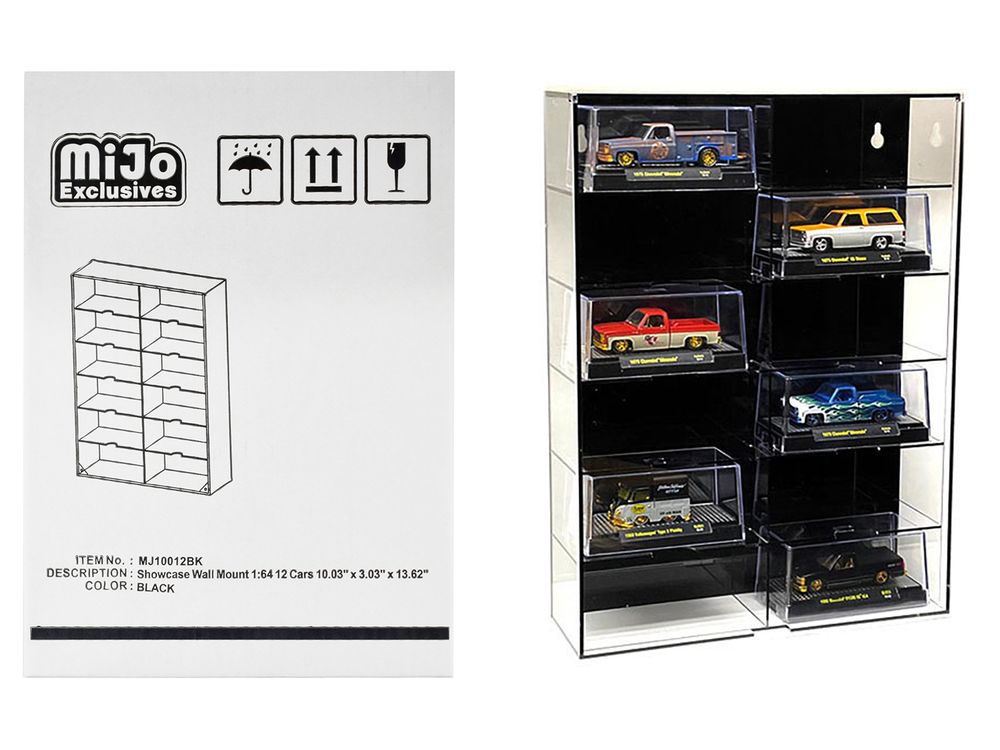
Display cases help protect against dust, UV exposure, and accidents. If you place models on open shelves, choose a spot away from direct sunlight and high humidity. Use soft shelf liners to reduce vibration and micro-scratches on bases. For models with delicate paint or chrome, consider low-UV LED lighting. If you plan to rotate displays, keep the original box stored upright in a cool, dry space to preserve condition. Many collectors also use silica gel packets to help regulate moisture in storage areas. For inspiration, look at presentation ideas featured on DiecastModeler.com.
A simple log builds confidence and saves time. Record the model name, manufacturer, scale, color, release series, and purchase date. Note any special edition identifiers or certificates. Photos help, too; a quick snapshot of the box and base plate can confirm authenticity later. If you plan to trade or resell in the future, these records are incredibly helpful and help you communicate accurately with other enthusiasts.
Dust is the most common issue. Use a soft, clean makeup brush or blower to remove loose particles. For smudges, a lightly damp microfiber cloth is usually gentle enough; avoid household cleaners, paper towels, and strong solvents that could dull paint or chrome. Work slowly, support small parts, and keep pressure light. If a wheel or door feels stuck, pause rather than forcing it. Over time, a gentle routine helps preserve finishes and moving components while keeping your display fresh.
There is no single “best” scale; the right choice depends on space, budget, and preference. Many collectors enjoy 1:18 for impact and opening features, while 1:24 offers a balanced footprint and cost. Compact 1:64 lines are perfect for varied themes and creative wall displays. A consistent scale often looks neater and may be easier to store. If you wish to compare size options, the photos and descriptions at DiecastModeler.com can provide helpful context.
Look for clear markings such as “Limited Edition,” a numbered plaque, or printed run sizes on packaging or certificates. Official licensing details, holograms, and consistent branding also support authenticity. It may help to cross-check model numbers with manufacturer listings or trusted communities. While rarity can be appealing, choose pieces you personally enjoy; emotional value will sustain your interest longer than numbers alone.
Start with the least aggressive method: airflow from a blower, then a soft brush, and finally a lightly damp microfiber cloth for gentle wiping. Avoid alcohol, ammonia, and abrasive cleaners. Always support delicate parts and use minimal pressure. Test a tiny, inconspicuous area first if you are unsure. With patience, a light routine preserves paint, decals, and chrome without risk.
It depends on your goals. Keeping models in their boxes can help maintain condition for long-term storage or future trading. If you prefer to display them, a dustproof case and controlled lighting offer strong protection while you enjoy the details. Many collectors do both: store certain pieces and showcase favorites in a safe, visible spot. Choose the approach that brings you the most enjoyment over time.
To build a rewarding collection, decide on a scale that suits your space, learn the telltale signs of quality and authenticity, and adopt gentle storage and cleaning habits. With those basics in place, you will feel calm and confident as your display grows. If you are ready to explore curated models, browse the latest arrivals at DiecastModeler.com. You may wish to start with a single theme—such as classic pony cars or modern performance editions—so your shelves tell a cohesive story that feels personal and enjoyable.
Written by the editorial team at DiecastModeler.com, long-time collectors who focus on scale muscle car replicas, care tips, and display solutions. We enjoy making this hobby approachable with clear, friendly guidance. If you have questions or want ideas for your next shelf refresh, we are glad to help. Thank you for reading and happy collecting.
The content in this blog post is intended for general information purposes only. It should not be considered as professional, medical, or legal advice. For specific guidance related to your situation, please consult a qualified professional. The store does not assume responsibility for any decisions made based on this information.


