$98.96
Updated on: 2026-01-03
Looking to build a collection that feels authentic, display-ready, and full of story? This guide shows you how to choose, care for, and showcase vintage diecast cars while staying within budget. You’ll learn practical tips for scale, condition, storage, and brand selection, plus see real product examples you can add to your shelf today. Whether you collect to relive a driving era or to stage a diorama, you’ll find clear, product-focused steps and quick wins to upgrade your display.
Collectors love models that feel real in the hand, look crisp on a shelf, and tell a story at a glance. That’s why seasoned hobbyists often begin with period-correct castings, classic liveries, and brands known for accurate details. In the world of small-scale metal, quality shines through panel lines, tampo prints, rolling wheels, and authentic trim. This article will help you pick the right pieces, understand scales, and set up a display that elevates your space—whether you’re curating a main street diorama or a single-spot hero shelf. We’ll also point you to shop-ready items that fit different themes—trucks, service vehicles, and retro cruisers—so you can add the next centerpiece to your collection with confidence.
When I refreshed my office shelf, I wanted a scene that felt like a small-town morning in the 1950s. I started with a period delivery truck and a classic pickup, then added a service rig to ground the scene. The difference was immediate: the shelf felt like a lived-in street, not just a row of models. Friends who rarely notice collectibles asked where they could buy something similar. The takeaway was simple—choose pieces that interact. A vintage truck next to a panel van tells a story; add subtle lighting and the display turns into a conversation starter.
You can build a compelling display in minutes by anchoring it with vehicles that look like they belong together. Classic trucks pair well with delivery vans, service rigs, and a period coupe. If you stage a gas-station or main-street diorama, utility and commercial vehicles create instant realism while cars add personality.
Consider these shelf-ready highlights that mix style, brand pedigree, and high display value:
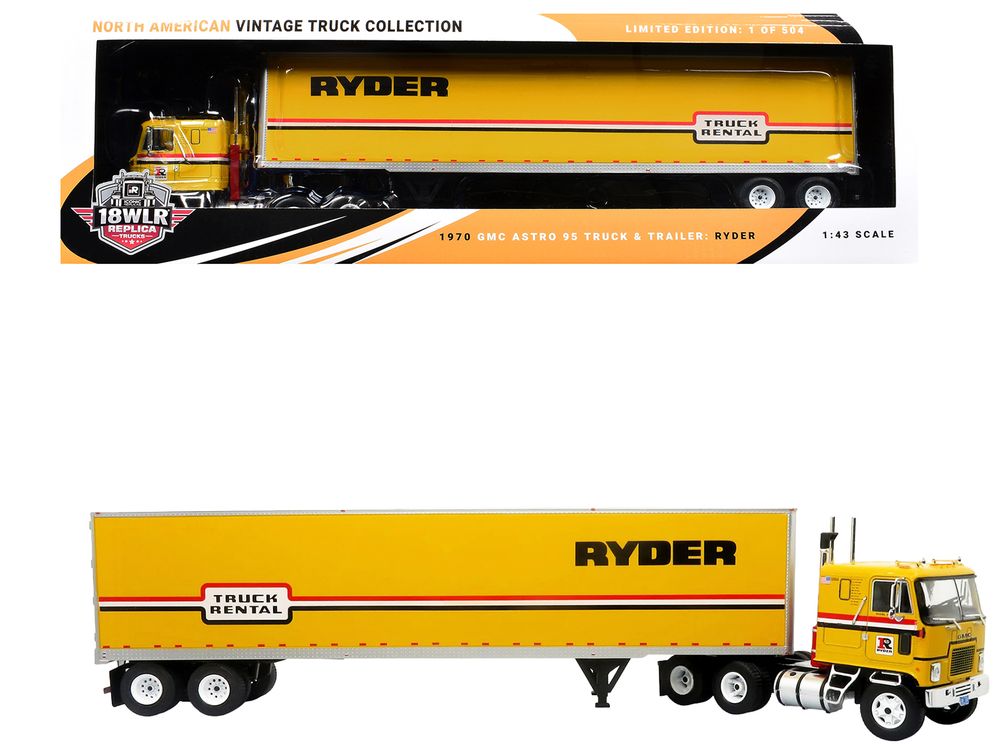
These choices work because they combine recognizable silhouettes, nostalgic design, and reliable finishing. You can place the UPS rig behind a storefront to simulate deliveries, position the F-100 beside a diner scene, and park the panel truck by a signage wall. The Plymouth adds a touch of color and curb appeal that makes photos pop on social feeds. Together, they tell a story of time and place, even on a small shelf.
As you shop, think about “roles.” A long trailer creates depth, a pickup adds character, and a period car provides shine. When each model earns its spot, your display looks curated—not crowded. A benefit of this role-based approach is easy rotation: swap the car for a new colorway or replace the truck with a different brand while keeping the same layout strong.
When people mention vintage diecast cars, they usually mean period-inspired replicas that evoke specific eras—chrome-heavy 1950s cruisers, clean 1960s lines, or rugged 1970s utility vehicles. What makes them special is the emotional bridge they build between past and present: familiar badges, timeless colors, and shapes that feel right in the hand. High-quality releases combine sharp casting, crisp tampos, and proper ride height, so the model reads as authentic from a few feet away and rewards close inspection under light.
If you’re curating a mid-century theme, look for castings with whitewalls, period hubcaps, and era-correct trim. For work-focused scenes, utility trucks and panel vans add realism that pure sports cars can’t. Brand-wise, GreenLight is known for licensed liveries and TV or event tie-ins; Auto World often emphasizes accuracy and classic American tooling; LCD Models tends to deliver refined details in larger scales. These differences help you find the best fit for your shelf and budget.
Caring for your collection is straightforward: dust weekly with a soft brush, avoid direct sunlight, and store extras in original packaging or acid-free boxes. For long-term storage, climate stability prevents warping of clear parts and guards against surface issues. If you display in open shelves, try LED light strips and acrylic risers to keep reflections clean and to avoid heat build-up around the models.
Finally, collect with intention. Pick a decade, a manufacturer, or a specific category—like delivery vehicles or service trucks—and add pieces that strengthen that story. The result is a cohesive display that looks designed, not accidental. You’ll enjoy the process more, and your shelf will stay photo-ready.
Keep models dry, clean, and out of temperature swings. Store extras in original boxes or acid-free containers, and avoid bubble wrap that can press into paint over time. Use soft tissue or foam inserts to separate cars, and keep silica gel packets nearby to control humidity. On open shelves, dust weekly with a soft brush and rotate models to reduce light exposure. Stable conditions preserve tampo prints, chrome trim, and clear parts longer.
For compact shelves, 1:64 offers the best balance of footprint and detail. You can display many pieces without sacrificing variety, and brands produce wide selections across eras—perfect for classic pickups, service vans, and mid-century cruisers. If you prefer showpieces, add one 1:24 hero model and surround it with fewer support vehicles. The key is consistency: matching scale simplifies staging, risers, and sightlines so your scene looks intentional.
Yes—car enthusiasts love models that reflect their favorite eras, brands, or body styles. A period pickup, a licensed trailer, or a retro sedan can feel personal and display-ready right out of the box. Consider a recognizable design (like a classic Ford truck), a themed trailer for dioramas, or a licensed classic with nostalgic art. Include a simple acrylic stand or riser to complete the gift and make the unboxing moment memorable.
Alex Grant is a collector and content strategist at DiecastModeler.com who focuses on scale vehicles, dioramas, and brand curation. He tests layouts, lighting, and product mixes to help hobbyists build displays that feel authentic. If you’re ready to upgrade your shelf, Alex’s guides turn wish lists into curated collections.
The content in this blog post is intended for general information purposes only. It should not be considered as professional, medical, or legal advice. For specific guidance related to your situation, please consult a qualified professional. The store does not assume responsibility for any decisions made based on this information.


