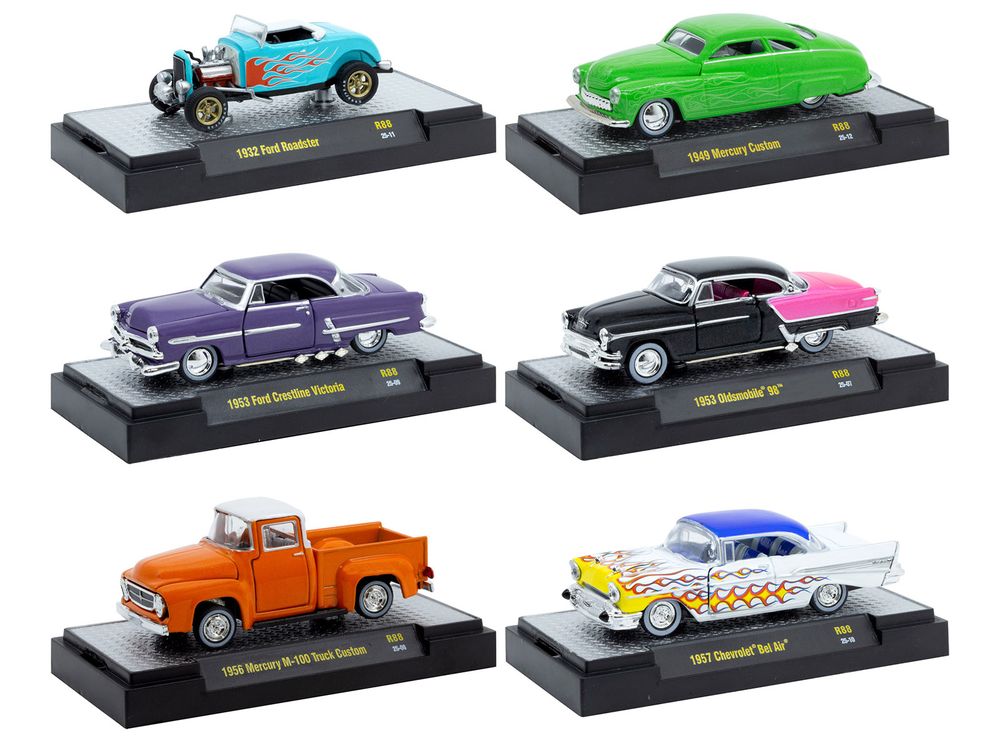
$58.56
Updated on: 2025-12-12
Curious about 1:64 scale diecast cars and how to enjoy them with care? This guide offers gentle, practical tips on choosing, protecting, and displaying small die-cast models while keeping your collection organized. You will find a clear step-by-step method, quick answers to common questions, and friendly next steps. Whether you are just starting or refining a mature collection, the advice here aims to be simple, respectful, and helpful.
There is something calming about holding a tiny, well-crafted car that fits in the palm of your hand. Collectors appreciate the consistent scale, the surprising depth of detail, and the approachable price point that small die-cast replicas offer. These miniature models are easy to display, fun to trade, and welcoming to newcomers. If you would like a friendly path into the hobby, this article provides a gentle overview and a practical process you can follow at your own pace.
Small 1:64 models are often around three inches long, depending on the vehicle. Many enthusiasts enjoy the variety—daily drivers, race cars, vintage trucks, and modern supercars all appear in this compact format. Because they are convenient to store and sort, you may find them ideal for limited spaces, shared shelves, or a simple desktop display. With mindful care, your tiny fleet can remain clean, safe, and enjoyable for years.
In the sections below, you will find a simple step-by-step method for choosing and caring for these miniature replicas. You will also see concise answers to common questions, such as how to prevent paint rash, what to look for in brand quality, and how to plan a display that looks tidy and feels relaxing to maintain. If you would like community insights and tips, you may enjoy the resources at DiecastModeler.com as well.
This short process aims to be easy to follow. Each step is designed to help you choose thoughtfully, protect your models, and highlight their details without stress or clutter.
Choosing a focus tends to make collecting more enjoyable and less overwhelming. You may pick a theme such as classic muscle, JDM icons, vintage trucks, motorsport liveries, or a favorite brand. A clear focus guides buying decisions, reduces duplicates, and helps your display tell a cohesive story. If you change your mind later, your focus can evolve; it is simply a starting point to bring calm and clarity.
Because some brands vary slightly, it is kind to check dimensions when precision matters to you. Most three-inch collectibles are close to 1:64, yet larger vehicles (like vans or SUVs) may look bigger even in the same scale. Comparing product specs or measuring length can help. If you prefer consistency in your display, a small ruler and a quick note in your catalog make it simple to track size across different releases.
Before you purchase, a brief inspection can be helpful. Look for smooth paint, centered tampos (printed graphics), and clean panel lines. Wheels should roll freely and sit level; axles and tires should not wobble. If there are opening parts, check that they close flush. These small checks are quick at the store and just as easy when shopping online—brand comparison guides on the blog may also be useful.
Mindful storage helps prevent dust, warping, and paint issues. You may choose clear display cases, drawer organizers, or archival boxes with soft dividers. Keep models in a cool, dry space away from direct sun and high humidity. If carded examples matter to you, store them upright to keep blisters from creasing. Small silica gel packets can help manage moisture in enclosed cases.
Cleaning is simple with soft tools. A clean makeup brush or camera blower removes dust from panel gaps and grilles. For light smudges, a barely damp microfiber cloth can be used with care; avoid household cleaners, as some may dull paint or tampos. Let models dry fully before returning them to cases. Frequent, gentle dusting is kinder than intense, occasional scrubbing.
A basic record brings peace of mind. You might note model name, release year, brand, special features, and where it sits in your display. A simple spreadsheet or notebook is enough. Cataloging helps avoid accidental duplicates, supports insurance documentation, and makes trading or gifting easier. Over time, your catalog becomes a pleasant history of your hobby journey.
Good displays are tidy, dust-resistant, and kind to your space. Consider uniform cases or shelves to create a clean look. Subtle LED lighting can highlight details without adding heat. Grouping by theme—such as color, brand, or era—adds visual harmony. If you rotate selections, store the rest safely and refresh the display seasonally for a sense of novelty without expanding your footprint.
It means the model is one sixty-fourth of the real vehicle’s size. If the full-size car is 4 meters long, the miniature is about 6.25 centimeters (roughly 2.5 inches). Because real vehicles vary in length, two models from the same series may still look a little different. This is normal and part of the charm of small-scale replicas.
Try to protect them from dust, sun, and humidity. Clear cases or lidded display boxes are helpful, and soft dividers prevent rubbing. Keep them in a stable environment—cool and dry is kindest. For more storage ideas and tips, you may visit the about us page to learn how the community approaches care and organization.
Different brands have different strengths. Some focus on clean rolling wheels and play value, while others emphasize realistic details, rubber tires, and metal construction. It can be thoughtful to compare paint quality, casting sharpness, and wheel realism. Reading brand overviews on the blog may guide you toward what suits your taste and budget.
They can be, especially if the theme, casting, or livery speaks to you. Scarcity alone does not guarantee long-term value, and personal enjoyment is important. If you love the design and it fits your focus, it may be a kind addition to your collection. Keeping a budget and prioritizing models you truly enjoy tends to feel most rewarding.
Small-scale collecting is meant to be gentle, relaxing, and fun. With a clear focus, mindful storage, and simple cleaning habits, your display can look tidy and stay safe. If you would like a quick starting point, consider the steps above as a checklist. For further help or community insights, you are welcome to explore DiecastModeler.com and reach out with questions through the site’s contact page.
As you proceed, you may find that a slow and steady approach brings the most enjoyment. With a little care, your selection of 1:64 scale diecast cars can remain a source of daily delight.
Written by a contributor at DiecastModeler.com with years of hands-on experience caring for small die-cast replicas, organizing compact displays, and helping new collectors get started. The focus here is practical, respectful guidance that meets you where you are. Thank you for reading, and please feel welcome to explore the site’s resources any time.
The content in this blog post is intended for general information purposes only. It should not be considered as professional, medical, or legal advice. For specific guidance related to your situation, please consult a qualified professional. The store does not assume responsibility for any decisions made based on this information.


