$36.23
Updated on: 2026-01-09
Looking to elevate your display with unique diecast car designs that draw attention and hold value? This product-focused guide shows you how to pick standout pieces, match them to your use cases, and build a collection you’ll be proud to show off. You’ll see real product examples, quick-buy criteria, and practical tips for care and display. Whether you collect 1:64 trucks or premium 1:18 showpieces, you’ll learn how to shop smart and avoid common pitfalls.
Table of Contents
Every collector wants pieces that feel special the moment they hit the shelf. The trick is finding models with authentic licensing, crisp paint work, and story-rich liveries that match your style. Below, you’ll discover how to evaluate materials, trim, and packaging so you can buy with confidence and create a cohesive, high-impact display. We’ll also point to specific models you can purchase today for instant variety and presence.
I still remember unboxing a silver-and-black muscle car from a limited run and watching the metallic flake dance under the light. The finish was clean, the trim sharp, and the stance just right—an instant focal point in my case. That experience changed how I shop: I now prioritize accurate proportions, licensed details, and packaging that protects the model long-term. Since then, I curate by theme—workhorses, muscle, and classic service vehicles—so each shelf tells a story instead of feeling like a random lineup.
When you want a centerpiece, start by picking a theme. Many collectors group by era, brand, or use case. For example, pairing a classic service truck with a period-correct delivery van instantly creates a small, story-rich scene on a bookshelf or diorama base.
Next, look for three things: finish, stance, and small details. Finish includes paint quality and alignment of stripes or sponsor logos. Stance covers wheel fitment and ride height—if it sits right, it looks right. Small details include badge placement, lens-style headlights, and tidy chrome accents.
If you’re building a vintage workhorse display, a timeless pickup is a perfect anchor. Explore the mid-century charm of the 1956 Ford F-100 for classic lines, realistic wheels, and a finish that photographs beautifully. Pair it with a period van like the 1939 Chevrolet Panel Truck to complete a small-town garage vibe. These castings offer clean tampo work and era-true proportions that make a compact diorama come alive.
Prefer American muscle with premium presence? The 1968 Plymouth GTX Custom delivers curb appeal with bold color contrast and crisp trim touches. It’s an excellent pick if you want a focal point that still plays well with other street machines. For a modern contrast on the same shelf, consider a contemporary exotic from LCD Models like this LCD Models hypercar. Together, they showcase how materials, curves, and performance styling evolved across decades—an easy conversation starter.
Testimonial: “That GTX became the centerpiece of my desk display. The paint depth and wheel choice make it pop.”
Before you check out, review the box and any authenticity seals. Good packaging signals better quality control and helps your model stay mint if you ever rotate or trade. If you plan a diorama, pick pieces with compatible eras and scales so road signs, buildings, and vehicles all align visually.
Curating a collection that turns heads is about fit and finish as much as it is about the story your shelf tells. Start with one focal model, add era-matched companions, and protect each piece with proper storage. Evaluate paint, stance, and details to choose standouts every time. Ready to build a high-impact display? Begin with a hero piece, then add complementary castings to complete the narrative. If you want even stronger results, create a dedicated diorama base so your trucks, muscle cars, and exotics feel grounded and real.
For tight shelves, 1:64 offers variety without crowding, and modern brands pack impressive detail into tiny footprints. If you want display-case wow factor, 1:18 delivers large panels, opening parts, and dramatic presence. A balanced collection often mixes both: small-scale vehicles for themed scenes and a few larger showpieces as center-stage heroes.
Look for brand markings on the base, licensed logos on packaging, and consistent tampo printing. Trusted manufacturers and retailer sourcing matter. Factory seals and correct SKU labels help too. When in doubt, compare images on the product page to the model in hand, checking emblems, wheels, and color tone.
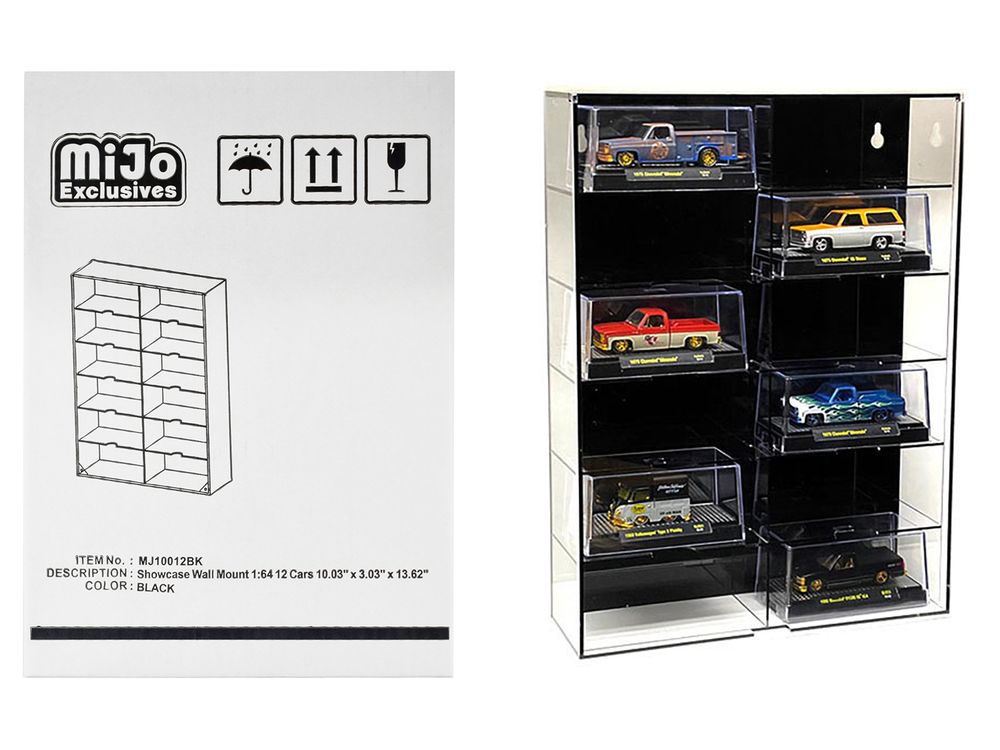
Use dust-resistant cases with neutral backdrops so paint and chrome stand out. Space models evenly and group by theme or color to create visual rhythm. For dioramas, match signage, road textures, and building styles to the era of your vehicles. Soft lighting angled above eye level enhances contours and reduces glare.
The Editorial Team at DiecastModeler.com reviews castings daily and curates buying guides for collectors who want more character from every model. We specialize in brand comparisons, display tips, and theme-based collection planning. Thanks for reading—happy collecting and enjoy your next shelf upgrade.
The content in this blog post is intended for general information purposes only. It should not be considered as professional, medical, or legal advice. For specific guidance related to your situation, please consult a qualified professional. The store does not assume responsibility for any decisions made based on this information.