$12.91
Updated on: January 22, 2026
Building an impressive collection of scale model vehicles doesn't require spending a fortune. Affordable diecast car replicas offer collectors and enthusiasts access to detailed, high-quality miniature models at budget-friendly prices. Whether you're starting your first collection or expanding an existing one, these cost-effective options deliver outstanding craftsmanship and authenticity. Learn how to find the perfect models for your passion while keeping your wallet happy.
The appeal of affordable diecast car replicas extends far beyond simple economics. Collectors discover that spending less per model allows them to build larger, more diverse collections. Rather than owning five expensive pieces, you might acquire twenty varied models that represent different eras, manufacturers, and vehicle types. This diversity creates a more rewarding collecting experience and provides greater enjoyment when displaying your assembly.
Budget-conscious purchasing also removes the pressure associated with opening and displaying expensive models. You can freely unbox these pieces, examine the details, and arrange them in creative displays without anxiety. Many collectors appreciate this freedom to enjoy their models actively rather than keeping them sealed away as investments. The hobby becomes about appreciation and pleasure rather than preservation and resale value.
Additionally, cost-effective options serve as excellent entry points for new enthusiasts. If you're unsure whether scale model collecting will hold your interest long-term, starting with reasonably-priced pieces makes financial sense. Once you develop a deeper passion for the hobby, you can invest in premium models with confidence.
A common misconception suggests that lower prices mean compromised quality. Modern manufacturing has transformed this assumption completely. Today's budget-friendly models showcase impressive attention to detail, accurate paint applications, and authentic proportions. Skilled artisans and advanced production techniques ensure that even economically-priced replicas deliver satisfying craftsmanship.
The level of detail available in mid-range scale models continues to impress even experienced collectors. Opening hood panels, functional doors, detailed interiors, and precisely-molded body panels are standard features across many product lines. Paint finishes feature realistic weathering effects, metallic accents, and multi-layer applications that create depth and authenticity.
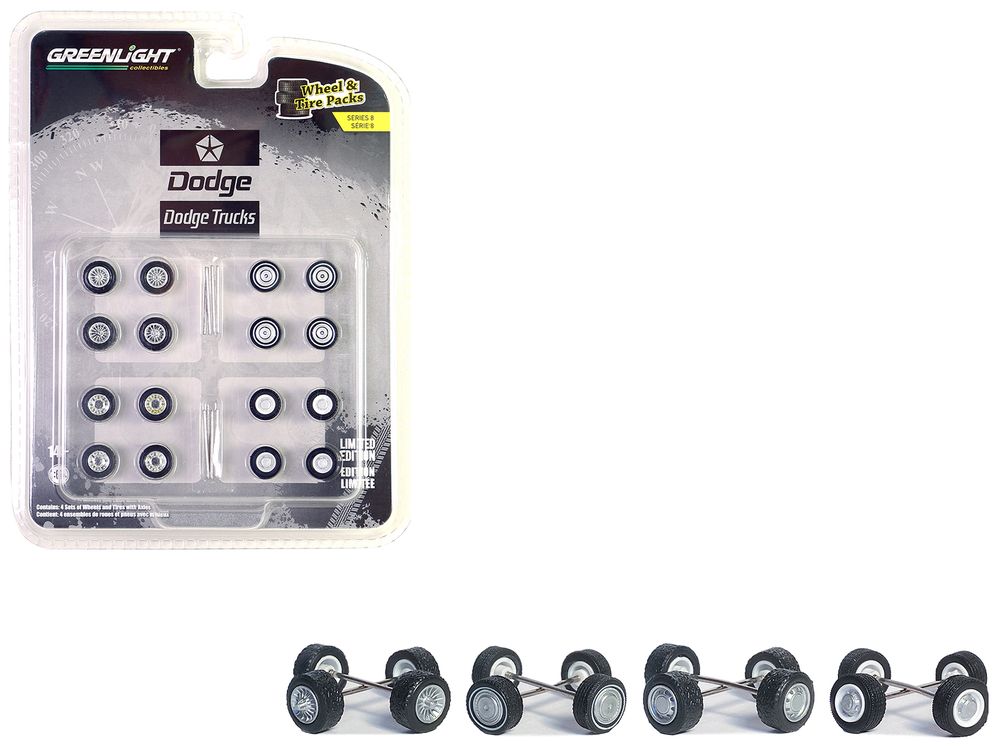
When evaluating quality, focus on specific features that matter most to you. Check whether the model includes working doors and hood access. Examine the interior detailing, including dashboard elements and seat configurations. Look at wheel and tire quality, as these components significantly impact overall appearance. Review paint consistency and color accuracy compared to real vehicles. Explore detailed scale models that demonstrate these quality benchmarks across different price points.
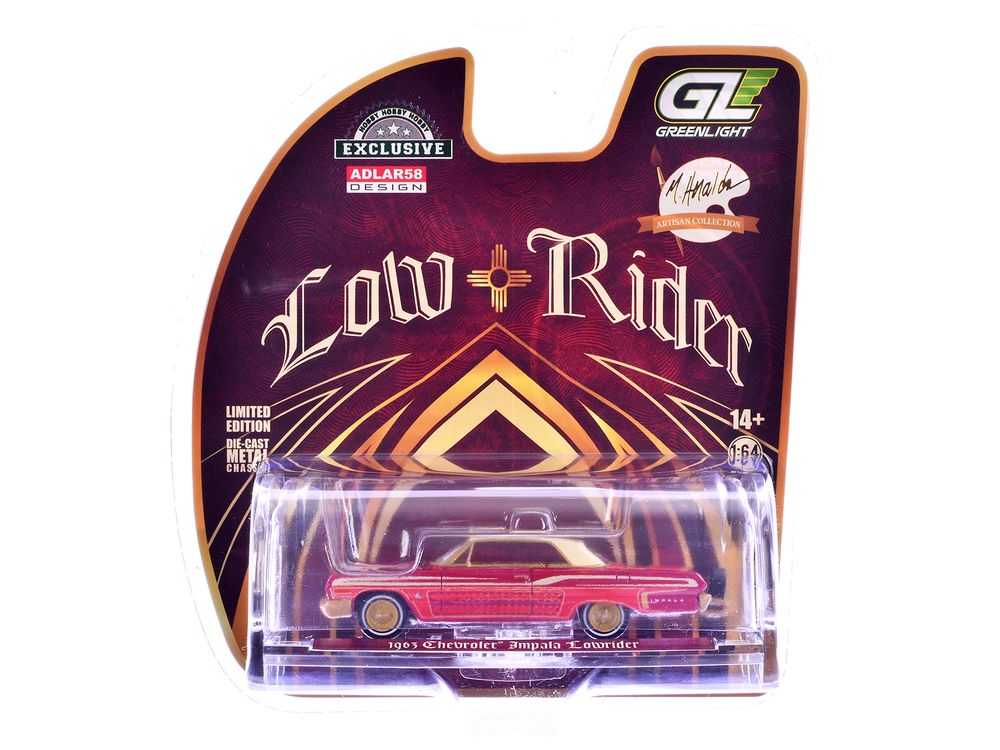
Several established manufacturers dominate the affordable diecast segment, each offering distinct strengths and specializations. Greenlight Collectibles produces exceptional models at accessible prices, specializing in American vehicles and television/film tie-ins. Their attention to licensing authenticity and detail representation appeals to wide audiences.
M2 Machines delivers impressive Japanese and muscle car replicas with museum-quality finishes at reasonable prices. Their releases frequently feature rare and desirable vehicles that appeal to serious collectors seeking specific marques. The brand's meticulous research ensures accurate badging, wheel designs, and color specifications.
Maisto offers exceptional value across their entire catalog, producing models in various scales from 1:18 to 1:64. Their vehicles feature opening components, detailed engines, and realistic interiors at price points that encourage collecting. Discover featured collections that showcase these manufacturers' best offerings.
Jada Toys specializes in contemporary and classic vehicles with particular strength in street and performance cars. Their models often feature functional features like opening doors and trunks alongside impressive customization options. Johnny Lightning produces vintage American vehicles and street rods with nostalgic appeal and authentic detailing.
Strategic approach to collecting maximizes enjoyment and value within your budget. Begin by identifying your primary interests. Are you drawn to specific decades, vehicle types, manufacturers, or cinematic franchises? Defining your focus helps prioritize purchases and creates cohesive displays that tell meaningful stories.
Consider mixing scales within your collection for visual interest. A 1:64 scale group can represent traffic and pedestrian vehicles alongside 1:43 or 1:32 scale pieces that command more display prominence. This variation prevents monotony and allows models of varying quality levels to coexist harmoniously.
Seasonal sales and promotional periods offer excellent opportunities to stretch your budget further. Many retailers offer bundle deals, clearance pricing, and bulk discounts that reduce per-model costs significantly. Subscribe to newsletters and follow social media accounts to stay informed about upcoming sales and exclusive releases. Browse current offerings and upcoming collections.
Track your collection using spreadsheets or dedicated apps. Record details including model number, scale, manufacturer, purchase price, and display location. This organization prevents duplicate purchases and helps identify gaps in your collection that you might fill intentionally.
Proper display and care practices ensure your affordable diecast car replicas maintain their appearance and value over years of enjoyment. Choose display locations away from direct sunlight, which fades paint and decals over extended periods. Indirect natural light or LED spotlights provide adequate visibility without causing deterioration.
Dust accumulation represents the primary threat to display quality. Regular gentle cleaning using soft brushes or compressed air removes dust without damaging paint or delicate components. For deeper cleaning, use distilled water with minimal soap and soft cloths, drying thoroughly to prevent water spots.
Climate control matters significantly for collection preservation. Maintain consistent temperature and humidity levels, as fluctuations can cause paint cracking and plastic warping. Extreme heat and moisture accelerate oxidation and deterioration. Basements and attics, while spacious, often fail to provide stable conditions suitable for long-term display.
Consider display cases or shelving units that protect models while showcasing details. Glass or acrylic enclosures prevent dust accumulation while allowing complete visibility. Arrange models at varying heights and angles to create dynamic displays that draw attention to specific features and finishes. Explore display solutions designed specifically for scale collections.
Store models you don't display in original packaging when possible. The boxes provide protection during storage and preserve resale value should you decide to sell or trade specific pieces. For long-term storage, use climate-controlled spaces and avoid attics or damp basements.
The 1:64 scale represents the most popular starting point for new collectors. These models balance affordable pricing with substantial detail, display well on standard shelving, and suit various space constraints. As your interest grows, you might add larger scales like 1:43 or 1:32 for premier pieces that deserve prominent placement. View popular scale options available in our collections.
Purchase from established retailers and authorized distributors to ensure authenticity. Examine packaging quality, as authentic models feature professional printing, correct spelling, and detailed specifications. Inspect the model itself for consistent paint application, clean seams, and proper branding. Official manufacturers include holograms, serial numbers, or authentication marks on packaging. Pricing significantly below market rates signals potential counterfeits, as does vague product information or lack of licensed imagery.
Absolutely. Many experienced collectors deliberately choose budget-friendly options to expand their collections and explore new interests. The distinction between affordable and premium models involves price and rarity, not fundamental quality. A well-researched, authentically-detailed model at a reasonable price serves the serious collector as effectively as an expensive piece. Building extensive collections becomes financially feasible when individual pieces cost less.
Assess paint application consistency, checking for drips, runs, or uneven coverage. Examine panel gaps and seams for precision fit. Verify that opening components move smoothly without binding or grinding. Inspect wheels and tires for correct sizing and authentic design. Review interior detailing and dashboard accuracy. Compare the finished model against reference photos of the real vehicle to ensure proportions and styling details match specifications.
Keep models in original packaging within climate-controlled storage areas. Maintain stable temperature and humidity levels to prevent paint cracking and plastic warping. Use acid-free tissue paper for additional protection. Avoid storing models in direct sunlight, damp basements, or hot attics. Check stored collections periodically for signs of deterioration. If models are removed from packaging for display, photograph them first to document original condition.
Vehicle dashboards experience significant temperature fluctuations that stress plastic and adhesives. Suction cup mounts can damage paint or leave marks. Interior dashboard storage places models at risk from sudden stops or accidents. Instead, display models safely at home where climate and position remain constant. If you wish to transport specific pieces, use padded cases or original packaging to protect them during travel.
Our team at DiecastModeler.com brings decades of combined expertise in scale model collecting, evaluation, and curation. We understand the passion that drives collectors to build meaningful assemblies of detailed replicas, from vintage classics to contemporary performance vehicles. Through comprehensive guides and curated product selections, we help enthusiasts discover quality models that deliver satisfaction at every price point. Whether you're building your first collection or adding to an established passion, our mission is connecting you with affordable diecast car replicas that spark joy and reward careful collecting.
The content in this blog post is intended for general information purposes only. It should not be considered as professional, medical, or legal advice. For specific guidance related to your situation, please consult a qualified professional. The store does not assume responsibility for any decisions made based on this information.