$16.16
Updated on: January 13, 2026
Slot car racing models offer enthusiasts an exciting way to experience competitive racing in miniature form. Whether you're building your first track or expanding an existing collection, these precision vehicles combine hobby craftsmanship with thrilling entertainment. Discover how slot car models can transform your racing experience and unlock endless hours of competitive fun with friends and family.
Slot car racing models have captivated hobbyists for decades, and for good reason. These miniature vehicles deliver authentic racing thrills without the expense or danger of full-scale motorsports. The appeal extends far beyond simple toy play—it's a legitimate hobby that combines engineering appreciation, competitive spirit, and social connection.
One of the primary benefits is accessibility. Unlike real racing, which requires significant investment and specialized facilities, slot car racing models can be enjoyed in basements, garages, or dedicated hobby rooms. You control the complexity level, starting with basic track setups and progressing to elaborate multi-lane circuits with advanced timing systems and digital features. This scalability makes the hobby perfect for newcomers and seasoned collectors alike.
The competitive element provides genuine excitement. Racing against friends or family members creates memorable moments and friendly rivalries. Whether you're participating in casual weekend races or joining organized clubs, slot car racing models foster community and camaraderie. Many hobbyists report that the competitive aspect keeps them engaged and motivated to improve their skills and vehicle performance.
Building and customizing slot car racing models enhances mechanical understanding. You'll learn about chassis tuning, motor optimization, and aerodynamic design. This hands-on education proves valuable for individuals interested in engineering, automotive technology, or simply understanding how things work. The problem-solving required to improve lap times encourages critical thinking and experimentation.
Display value represents another significant advantage. Quality slot car models serve as impressive decorative pieces when not racing. Their detailed craftsmanship and authentic designs make them worthy of showcase cabinets or display shelves. This dual purpose—functional racing vehicle and collectible display piece—maximizes your investment value.
Not all slot car models deliver equal performance and satisfaction. Quality matters significantly when selecting vehicles for your collection or racing program. Premium manufacturers engineer their models with precision components, reliable motors, and authentic details that justify investment.
Superior construction translates to better handling characteristics. High-quality chassis feature balanced weight distribution, responsive steering geometry, and durable materials that withstand repeated racing sessions. When you guide a well-engineered slot car around corners, the difference becomes immediately apparent. The vehicle responds predictably, allowing you to develop real racing skills rather than fighting against poor design.
Motor performance directly impacts racing competitiveness. Quality slot car racing models incorporate advanced motor technology that delivers consistent power delivery and longevity. You'll experience smoother acceleration, better cornering speed, and more reliable operation across extended racing sessions. This reliability reduces frustration and maintenance requirements, letting you focus on enjoying the hobby.
Authentic design enhances the entire experience. Whether you prefer classic vehicles like vintage Ford trucks or modern sports cars, detailed replica models create emotional connections. Accurate paint schemes, realistic proportions, and proper branding transform your races into immersive experiences. You're not just racing anonymous vehicles—you're competing with beloved automotive icons.
Compatibility considerations matter when building your collection. Choose slot car models from established manufacturers who maintain consistent standards and offer replacement parts. This ensures your vehicles remain competitive and repairable throughout their lifespan. Quality producers back their products with customer support and spare components, protecting your long-term investment.
Slot car racing models serve diverse purposes across different demographics and interests. Understanding common use cases helps you select appropriate vehicles and track configurations for your specific goals.
Competitive Club Racing: Organized hobby clubs use standardized slot car racing models for regulated competitions. Members invest in quality vehicles and spend considerable time tuning chassis, motors, and controller settings to gain competitive advantages. Club races follow established rules, use timing systems, and rank participants by performance. This organized structure appeals to serious hobbyists seeking measurable progression and achievement recognition.
Family Entertainment: Many families establish casual racing setups for shared entertainment. Parents introduce children to the hobby through beginner-friendly track configurations and more forgiving vehicle classes. Slot car racing models provide screen-free entertainment that builds family bonds. Children develop hand-eye coordination and learn patience through racing practice, making the activity educationally valuable alongside being fun.
Collection and Display: Serious collectors acquire slot car models as miniature art pieces. They appreciate the craftsmanship, detail work, and authentic design elements. These collectors may race occasionally but primarily enjoy preserving and displaying their vehicles in climate-controlled environments. Investment potential appeals to collectors who recognize that rare or limited-edition models appreciate in value over time.
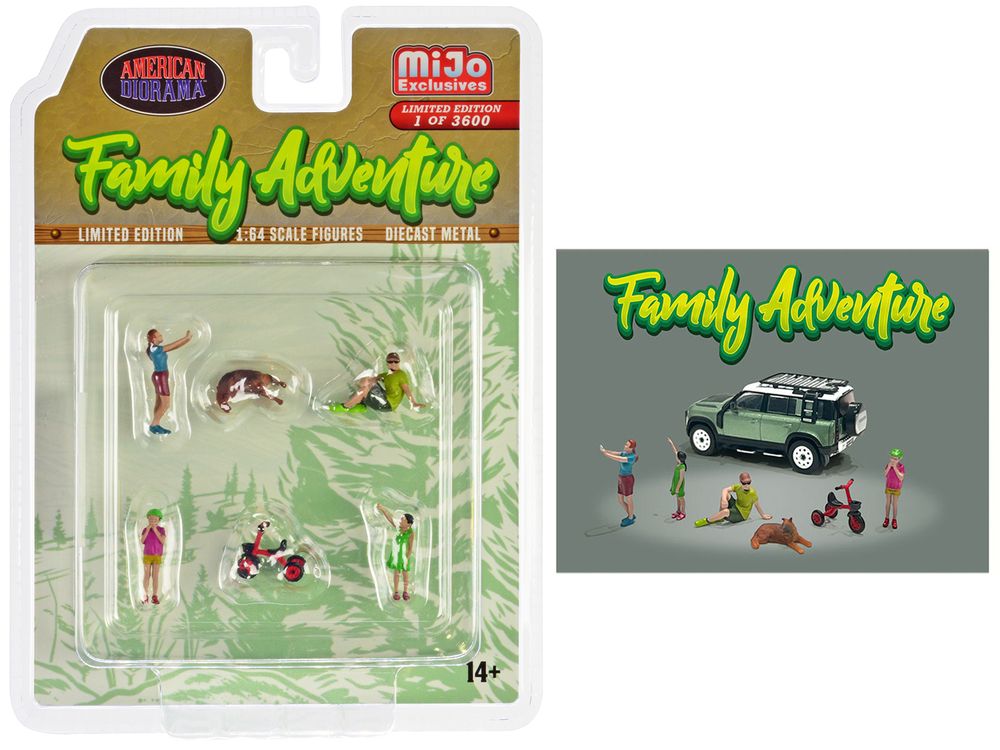
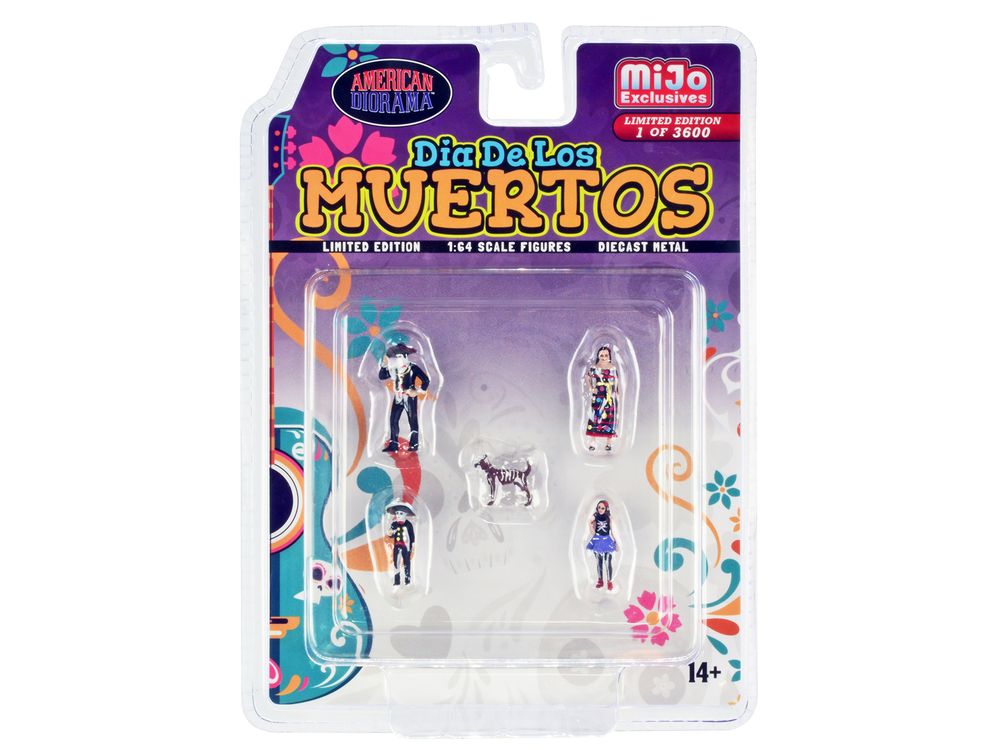
Scale Model Diorama Integration: Creative enthusiasts incorporate slot car racing models into elaborate scenery displays. They build miniature cities, racing facilities, or automotive landscapes featuring scale buildings, landscape elements, and authentic environments. This fusion of slot car racing with detailed scale models creates impressive hobby installations that serve as conversation pieces and creative outlets.
Educational Programs: Schools and youth organizations use slot car racing to teach STEM concepts. Students learn about physics, engineering, electronics, and design principles through practical application. Building competitive vehicles encourages problem-solving, teamwork, and healthy competition. Educational programs introduce younger generations to the hobby while developing valuable technical skills.
Analog systems use simple electrical circuits where vehicle speed directly corresponds to controller trigger position. Digital systems employ advanced electronics allowing multiple vehicles to share a single track without collision issues. Digital slot car racing models offer superior convenience and allow more simultaneous racers, though they typically cost more than analog alternatives. Both systems deliver authentic racing experiences—your choice depends on budget, preferred track complexity, and racing style.
Performance enhancement involves several techniques: motor tuning adjusts electrical contacts and brush alignment for optimal power delivery; chassis modifications improve weight distribution and suspension geometry; tire compounds affect traction and handling characteristics; aerodynamic adjustments reduce drag through strategic body modifications. Quality racing models provide better foundations for these modifications. Start with minor adjustments, test performance changes incrementally, and document what works to develop your tuning expertise over time.
Vintage models possess charm and historical significance, but modern manufacturing produces superior performance characteristics. Contemporary vehicles feature refined motors, better aerodynamics, and improved chassis design that outperform older counterparts. However, many clubs maintain dedicated vintage racing classes honoring classic vehicles alongside modern competition. Vintage models shine in display collections and casual recreational racing while pure competitive environments favor modern engineering and technology.
Beginner tracks should be manageable in size, allowing comfortable room placement in home environments. Look for modular designs permitting future expansion as your interest grows. Safety features like raised edges prevent vehicles from derailing into dangerous areas. Consider included vehicle quality—budget packages sometimes sacrifice racing model quality for track affordability. Mid-range starter sets typically balance cost-effectiveness with adequate performance for learning the hobby fundamentals.
Slot car racing models represent an accessible entry point into genuine competitive motorsports hobby enjoyment. Whether you're seeking family entertainment, pursuing serious competition, or building an impressive collection, quality models deliver satisfaction across all interest levels. The hobby combines physical action, technical knowledge, social connection, and collecting appreciation into one engaging package.
Starting your slot car racing journey requires minimal commitment while offering maximum enjoyment potential. Begin with a quality starter set from established manufacturers, invest in a few quality vehicles like premium racing models, and gradually expand your track and collection. Connect with local hobby clubs to learn advanced techniques, discover new vehicle options, and experience competitive racing in organized settings.
Remember that slot car racing rewards patience and practice. Your initial races may feel clumsy as you learn controller sensitivity and track dynamics, but improvement comes quickly with focused practice. Experienced racers consistently outperform newcomers, but the margin narrows significantly after several racing sessions. This accessible learning curve makes the hobby rewarding for participants at all skill levels.
Quality matters more than quantity when building your collection. A few exceptional slot car racing models outperform numerous mediocre vehicles in delivering competitive performance and long-term satisfaction. Invest in reliable brands with strong track records, purchase vehicles suited to your racing interests, and maintain your collection through regular care and appropriate storage.
Visit specialized retailers to examine vehicles firsthand before purchasing, ask experienced collectors for recommendations, and join online communities sharing racing enthusiasm. These resources provide invaluable guidance navigating the hobby's many options and possibilities. Take action today—your slot car racing adventure awaits!
This article was created by the expert team at DiecastModeler.com, a leading authority in scale model vehicles, slot car racing, and miniature automotive collectibles. Our team possesses extensive knowledge of diecast manufacturing, racing model performance, and hobby best practices. We're passionate about helping enthusiasts discover quality vehicles and achieve their racing goals. Connect with us to explore our comprehensive collection of premium slot car models and racing accessories.
The content in this blog post is intended for general information purposes only. It should not be considered as professional, medical, or legal advice. For specific guidance related to your situation, please consult a qualified professional. The store does not assume responsibility for any decisions made based on this information.