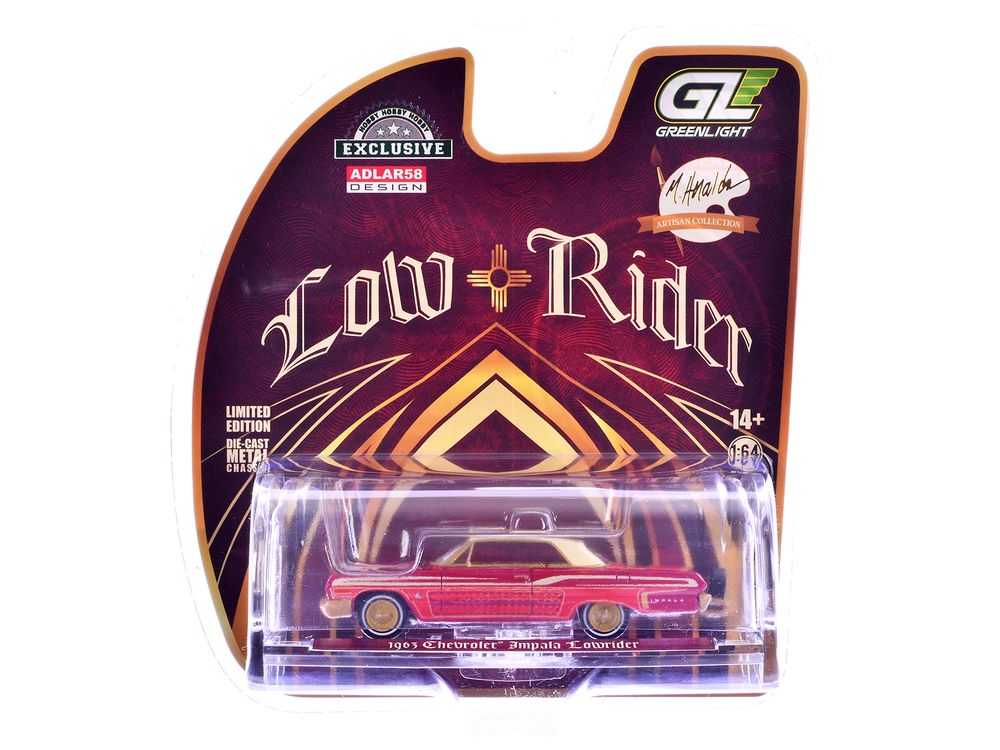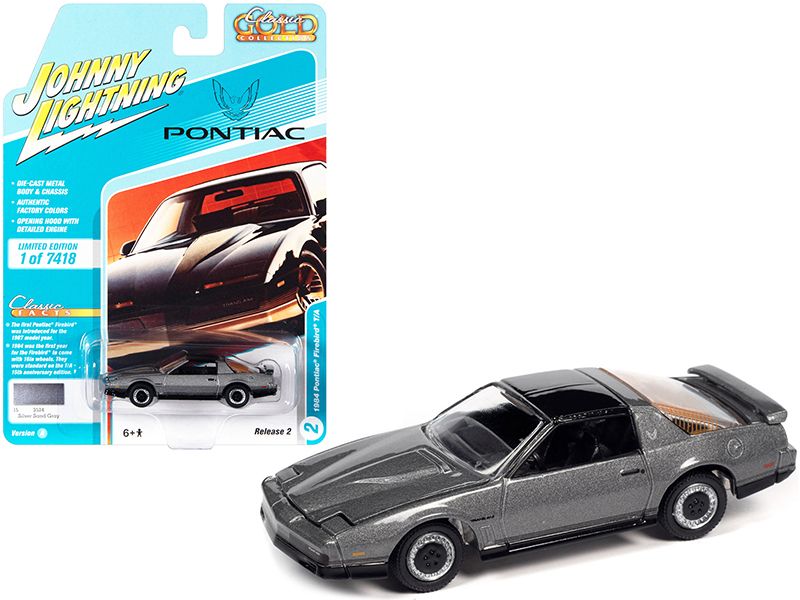
$12.42
Updated on: January 16, 2026
Summary: Collectors worldwide are discovering the exceptional value and appeal of limited edition diecast cars. These meticulously crafted miniature vehicles offer more than nostalgia—they represent investment-quality pieces that appreciate over time. Whether you're a seasoned enthusiast or just beginning your collection, understanding what makes exclusive die-cast models special will help you make informed purchasing decisions that bring lasting enjoyment and potential financial reward.
The world of limited edition diecast cars has exploded in popularity over the past decade, attracting enthusiasts from all walks of life. Whether you're interested in classic American muscle cars, vintage European sports cars, or rare commercial vehicles, there's a collectible model waiting for you. These miniature replicas capture the essence of legendary automobiles in stunning detail, allowing you to own a piece of automotive history without the space or expense of full-size vehicles.
What sets these exclusive die-cast models apart is their combination of historical significance, artistic craftsmanship, and genuine scarcity. Each limited edition release is produced in controlled quantities, ensuring that once sold out, the models become increasingly difficult to find. This scarcity drives collector interest and creates a passionate community of people who appreciate quality manufacturing and automotive heritage. Collectors often display their prized pieces in custom dioramas or climate-controlled cabinets, transforming these miniature vehicles into focal points of admiration and conversation.
The appeal extends beyond mere aesthetics. Many collectors find therapeutic value in the hobby—building collections offers a sense of accomplishment, connection to automotive history, and a tangible way to express personal interests. The process of hunting down specific models, learning their histories, and carefully maintaining them creates a fulfilling experience that goes far beyond typical consumer purchases.
The market for premium diecast collectibles has demonstrated remarkable resilience and growth. Certain rare pieces appreciate significantly over time, with some vintage models selling for hundreds or even thousands of dollars above their original retail prices. This appreciation potential makes collecting more than a hobby—it becomes a smart way to allocate discretionary spending toward assets with real value.
Several factors influence the value of any particular model. Production numbers matter tremendously; models produced in smaller quantities naturally become more valuable as supply dwindles and demand increases. The condition of the model is equally critical. Mint condition pieces with original packaging command premium prices, while opened or played-with examples sell for substantially less. Authentication and provenance also play important roles, especially for older or rarer releases.
Popular brands like Greenlight, M2 Machines, and Johnny Lightning consistently produce models that maintain or increase in value. These manufacturers have built stellar reputations for accuracy, detail, and production quality. When you invest in models from established brands, you're buying into a track record of excellence. Limited releases from these manufacturers often sell out quickly and appreciate rapidly in the secondary market.
Modern manufacturing has enabled die-cast producers to achieve unprecedented levels of detail and accuracy. High-quality models feature precisely painted graphics, intricately detailed engines and interiors visible through windows, and authentic wheel designs that match the real vehicles they represent. The metal construction ensures durability and gives these models a satisfying heft that cheaper alternatives simply cannot match.
The difference between mass-produced toys and quality diecast collectibles becomes immediately apparent when you hold them side-by-side. Premium models employ superior molds, higher-grade metal alloys, and meticulous hand-finishing touches. Paint applications are carefully layered to achieve realistic finishes that capture light and shadow exactly as the original vehicles would. Interior detailing extends to door handles, dashboard instruments, and steering wheels rendered in scale-appropriate proportions.
Wheels represent another area where quality separates premium models from inferior options. Authentic replicas feature the exact wheel designs from the original vehicles, sometimes with individual spoke counts and specific finish types. These details might seem minor, but they're what serious collectors notice and appreciate. Trucks and classic vehicles showcase remarkable authenticity when crafted by experienced manufacturers who understand the importance of accuracy.
The diecast market offers several prominent manufacturers, each with distinct strengths and collector followings. Understanding the differences helps you make choices aligned with your interests and budget.
Greenlight has built an impressive reputation for licensing agreements that allow them to produce detailed replicas of vehicles from popular television shows and movies. Their Norman Rockwell collection and entertainment-themed releases consistently attract collectors seeking models with cultural significance beyond automotive appeal. These thematic collections often develop dedicated followings, driving strong secondary market demand.
These manufacturers excel at producing diverse collections that appeal to varied collector tastes. Whether you prefer Japanese imports, domestic classics, or contemporary performance vehicles, you'll find options from these trusted brands. Their commitment to producing in manageable quantities ensures pieces remain exclusive without being prohibitively rare.
Smaller manufacturers focusing on specific regions, brands, or vehicle types often produce models with exceptional detail and historical accuracy. Commercial vehicles and specialized models highlight how niche producers serve dedicated collector communities with authenticity and expertise.
Comparing these manufacturers helps you identify which ones align with your collecting philosophy. Some collectors focus exclusively on one brand, appreciating the aesthetic consistency and building comprehensive collections. Others prefer diversity, selecting standout models from various producers based on subject matter rather than manufacturer loyalty.
While collecting should primarily offer personal enjoyment, the investment potential of well-chosen models deserves serious consideration. History demonstrates that limited edition diecast cars from reputable manufacturers have appreciated meaningfully over time. Models that sold for thirty dollars at retail now command two hundred dollars or more when they become difficult to locate.
Several strategies maximize investment potential. First, focus on models from manufacturers with established track records of quality and collector demand. Second, maintain pieces in the best possible condition—many collectors keep models in original packaging or display boxes, preserving both physical condition and psychological value. Third, research production numbers; models from smaller production runs tend to appreciate faster than those produced in larger quantities.
Documentation strengthens investment value. Keeping original receipts, packaging, and any certificates of authenticity protects your investment and provides proof of acquisition for insurance purposes. Some serious collectors maintain detailed spreadsheets tracking acquisition dates, purchase prices, and current market values. This documentation supports claims during insurance assessments and facilitates smoother transactions if you eventually choose to sell pieces.
Specialty event-themed collections often develop strong appreciation potential because they commemorate specific moments in motorsport history. Enthusiasts seeking models from memorable racing events or special anniversaries drive consistent demand for these releases.
Beginning a diecast collection requires minimal investment but yields maximum enjoyment when approached thoughtfully. Start by identifying what interests you most—classic American cars, Japanese imports, trucks, commercial vehicles, or models from favorite films and television shows. This focus helps you develop expertise and appreciation for your chosen niche rather than accumulating random models without coherence.
Budget considerations matter, but remember that quality pieces often retain or increase value better than cheaper alternatives. Rather than purchasing ten inexpensive models, consider selecting fewer pieces from established manufacturers. This approach builds a more respectable collection that holds value and provides greater satisfaction when examining fine details and craftsmanship.
Proper storage and display protect your investment while allowing you to enjoy your models. Climate-controlled display cases, acrylic risers, and dust covers maintain condition while showcasing pieces attractively. Many collectors create thematic displays or dioramas that tell stories through their model arrangements, transforming simple collections into compelling miniature worlds.
Connect with the collector community through online forums, social media groups, and local clubs. These communities offer invaluable knowledge about upcoming releases, market trends, and collecting best practices. Experienced collectors willingly share insights about identifying counterfeits, evaluating condition, and building focused collections that bring genuine satisfaction.
Starting with quality foundational pieces establishes the tone for your entire collecting journey. Choose models that genuinely excite you—pieces you'll enjoy examining and displaying for years to come.
Production numbers, condition, manufacturer reputation, and subject matter all influence value. Models produced in smaller quantities, maintained in pristine condition, from established manufacturers, and depicting historically significant or culturally relevant vehicles command premium prices. Rarity combined with desirability creates the strongest value appreciation. Models that commemorate specific events, feature authentic licensing, or represent rare original vehicles often become most sought after by serious collectors.
Keep models in climate-controlled environments away from direct sunlight, which fades paint over time. Store original packaging separately from models themselves to prevent packaging deterioration from affecting the vehicles. Use acid-free display cases and avoid stacking models directly on top of each other. Maintain humidity levels around fifty percent to prevent rust on metal components. Wear cotton gloves when handling valuable pieces to prevent oils and dirt from transferring to painted surfaces. Regular gentle cleaning with soft brushes removes dust without damaging detail work.
Well-selected models from reputable manufacturers have historically appreciated meaningfully, often doubling or tripling in value over several years. However, investment success requires choosing quality pieces, maintaining them carefully, and purchasing from established manufacturers with strong collector followings. Not every model appreciates—focus on those with limited production runs, strong brand reputation, and genuine collector demand. Approach collecting primarily for enjoyment; investment appreciation becomes a pleasant bonus rather than the primary motivation.
Examine paint quality, checking for overspray or inconsistent color application. Inspect wheel manufacturing and detail work—authentic models feature precisely detailed wheels while counterfeits often show rough casting marks. Research the manufacturer and verify production details match official specifications. Purchase from authorized retailers to ensure authenticity. Compare suspect models against images from trusted sources. Quality diecast models feel substantial and well-balanced, while counterfeit versions often feel lightweight or poorly constructed.
Authorized retailers specializing in diecast collectibles offer guaranteed authenticity and often maintain current inventory of released models. Secondary markets like specialized collector websites and auction sites provide access to older or out-of-print models, though prices may exceed original retail. Establish relationships with reputable dealers who understand your collecting interests and can alert you to new releases matching your preferences. Join collector communities where members often share purchasing recommendations and alert each other to significant finds.
Scale refers to the ratio between model size and original vehicle dimensions. A 1:64 scale model represents the original vehicle reduced to one sixty-fourth its actual size, resulting in smaller, more affordable models perfect for building large collections. A 1:43 scale model is nearly twice the size, allowing for more intricate detail work and commanding higher prices. Both scales have dedicated collector bases; 1:64 appeals to those building diverse collections while 1:43 attracts detail-focused collectors with more display space and budget.
Examine paint for chips, scratches, or fading. Check wheels and undercarriage for rust or damage. Verify all moving parts function correctly if applicable. Inspect windows for cracks or cloudiness. Review packaging for tears or staining. Assess whether original components remain intact and undamaged. Photograph the model from multiple angles before purchasing secondhand pieces to document its condition and protect yourself against disputes. Compare asking prices against recent sales of comparable models in similar condition.
Yes, proper display methods preserve models indefinitely. Use UV-protective display cases to prevent sun damage. Keep pieces away from heat sources and areas prone to temperature fluctuations. Dust regularly with soft brushes rather than cloths that might scratch. Maintain consistent humidity to prevent metal corrosion. Rotate displayed pieces occasionally to ensure even light exposure. Well-maintained displayed models retain value and provide daily enjoyment—displaying shouldn't damage models when you employ proper precautions.
I'm a passionate diecast enthusiast and collector with over twelve years of experience building and curating premium vehicle collections. Through DiecastModeler.com, I share comprehensive knowledge about quality die-cast models, manufacturer comparisons, and collecting strategies that help enthusiasts build valuable, meaningful collections. My expertise spans classic American cars, imported vehicles, commercial trucks, and specialty models from entertainment licenses. I'm committed to helping both new and experienced collectors make informed decisions that maximize enjoyment and investment potential. Connect with me to discover how the world of diecast collecting can enrich your appreciation for automotive history and craftsmanship.
The content in this blog post is intended for general information purposes only. It should not be considered as professional, medical, or legal advice. For specific guidance related to your situation, please consult a qualified professional. The store does not assume responsibility for any decisions made based on this information.