$16.16
Updated on: 2026-01-06
Looking for durable, safe, and exciting die-cast vehicles that kids actually play with? This guide shows you how to choose the right scales, materials, and brands, plus real use cases that keep children engaged for hours. You’ll see how to build simple scenes, encourage creative storytelling, and protect your investment with smart storage. We also share top product picks, customer feedback, and easy care tips—so shopping for diecast cars for children feels simple, not overwhelming.
Parents want toys that are tough, safe, and beloved for more than a week. Die-cast vehicles check all three boxes. They’re made from metal alloys for durability, have rolling wheels for instant play, and come in scales that suit small hands and big imaginations alike. Whether you’re building a starter fleet, adding a realistic truck to a play mat, or gifting a collectible that doubles as room decor, the right choices make playtime smoother and longer-lasting. Below, you’ll find a simple framework for selecting models, tips to build scenes, and a few standout picks from trusted lines that offer excellent value.
When kids want variety, start with iconic themes and sturdy platforms. Small-scale models are easy to park, race, and store; larger pieces add “wow” factor and display appeal. These featured options deliver play value, recognizable designs, and quality construction:
Real customer feedback echoes what many families discover: a small fleet with themed variety keeps kids coming back to the play area. “Our son loads the UPS trailer, stages a race with the Indy set, then parks the GTX to ‘protect the paint.’ He’s engaged for an hour without screens,” said one parent. Another noted, “The F-100 became the favorite tow vehicle for every other toy—it’s the hero of our living room diorama.”
Tip: For younger hands, prioritize sturdy 1:64 scale pieces with smooth rolling wheels and solid axles. For older kids who also enjoy displaying models, mix in a few larger picks for detail and presence.
Choose compact 1:64 models for floor play, play mats, and small shelves. Pick 1:24 or larger only if display space is available and your child can handle more delicate details.
Look for metal bodies (zinc alloy) with tight-fitting parts, smooth wheel rotation, and well-applied paint. Avoid pieces with loose accessories if your child tends to fidget or misplace small parts.
Combine a delivery truck, a race set, and a classic car. This trio covers everyday stories, speed play, and “special event” scenes—keeping interest high and reducing toy fatigue.
Use a folded towel as a hill, painter’s tape for roads, and a small shoebox as a garage. Add blocks for buildings. A dedicated “city corner” makes cleanup easy and encourages repeat play.
Show kids how to roll, not fling. Demonstrate opening and closing any functional parts (if applicable) with two hands. Build a routine of parking cars in a tray or case when finished.
Store a few models out of sight and swap them in weekly. Rotations make older pieces feel new again and help kids rediscover forgotten favorites.
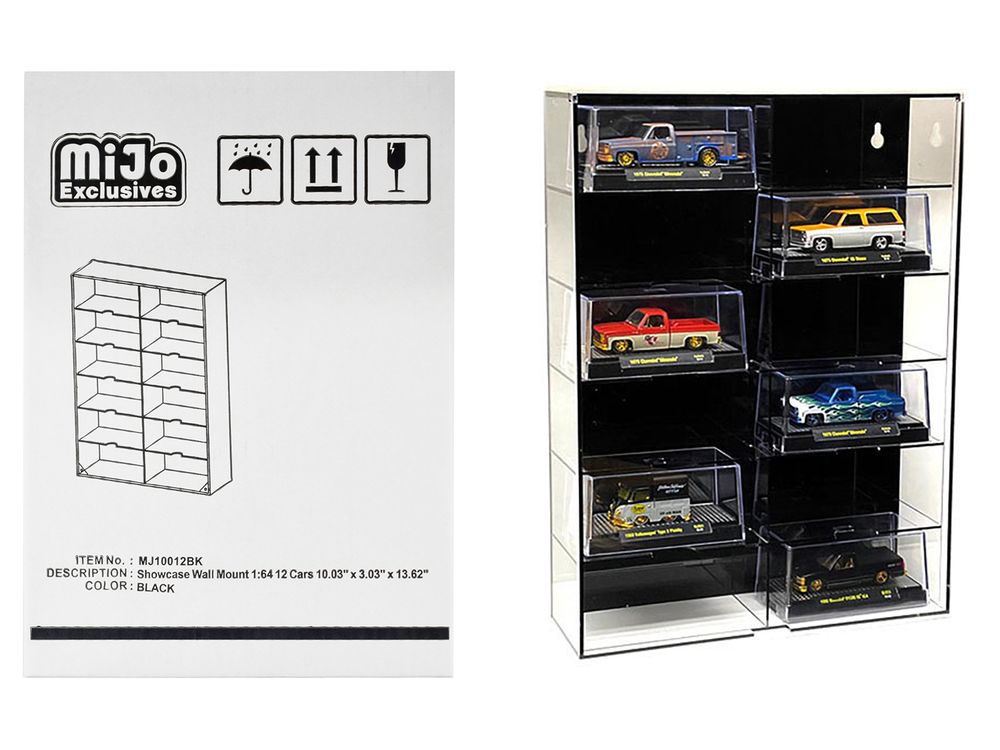
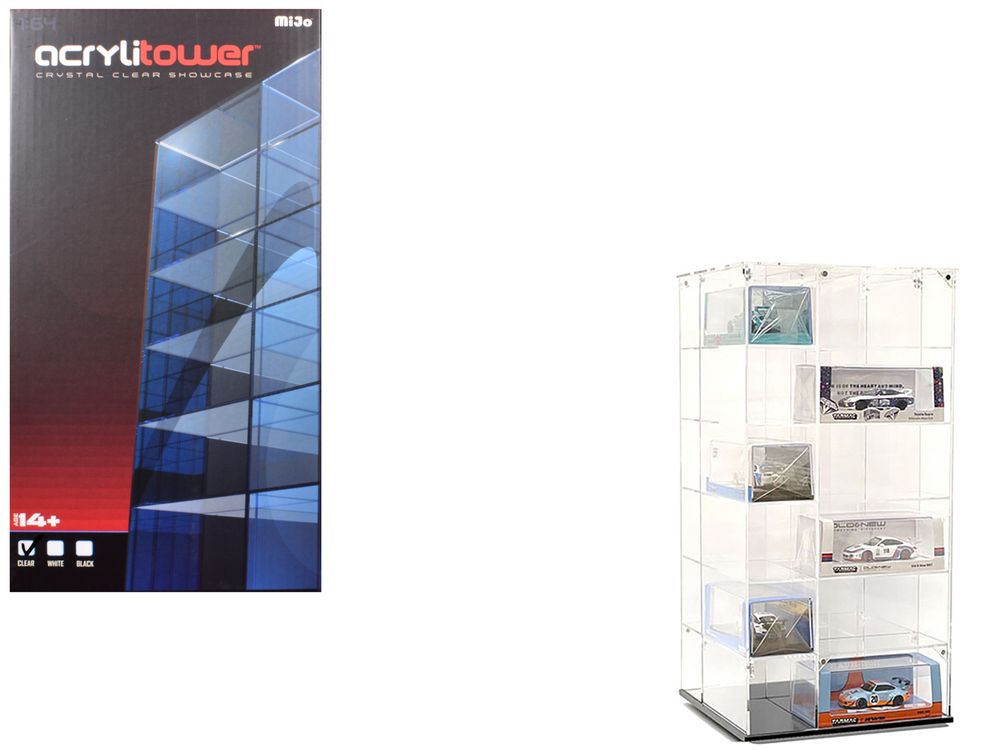
Wipe with a soft microfiber cloth to remove dust. If a wheel squeaks, a tiny touch of dry lubricant (applied by an adult) helps. Store in a bin or display case to prevent drop damage.
When your child shows consistent care, introduce a premium piece for “show and tell.” This builds pride and respect for the collection without overwhelming the play routine.
Safety note: Always follow age recommendations on the packaging and supervise young children. Small parts can present a choking hazard for kids under three.
For most families, 1:64 is the sweet spot. These miniature vehicles are tough, easy to store, and work perfectly on play mats or taped roads. Older children who enjoy displaying models may appreciate 1:24 for its larger presence and detail, but it usually suits gentler handling.
Many metal-bodied toys are designed for ages 8+ due to small parts. If you’re shopping for toddlers or preschoolers, choose simplified, larger-scale toy vehicles rated for their age group. For school-aged kids, stick with child-friendly diecast that lists clear age guidance and avoid pieces with tiny removable accessories.
Use a soft cloth to wipe dust, store cars in a tray or case, and avoid tossing them into crowded bins where paint can rub. Rotate what’s on display to reduce wear. For wheels, a gentle clean keeps rolling smooth and prevents grit from scratching surfaces.
Metal model cars turn open floors and small tables into bustling cities, race circuits, and work sites. With smart scale choices, a themed trio, and a simple diorama corner, kids get the best of both worlds—imaginative play and long-lasting quality. If you’re ready to choose diecast cars for children that inspire daily stories and stand up to real use, explore a delivery rig, a racing set, and a classic cruiser to build a balanced, excitement-filled fleet. Your next favorite family play session might be one truck, one racecar, and one pickup away.
Quick picks to start strong: add the UPS Tractor Trailer 1:64, race with the Indianapolis 500 3-Car Set, and anchor your fleet with the Barrett-Jackson 1968 Plymouth GTX or the classic 1956 Ford F-100 Truck. Build your city, set your grid, and roll into playtime.
Written by the DiecastModeler.com Editorial Team. We test, compare, and curate metal miniature vehicles, trucks, and scene-building accessories to help families and collectors buy with confidence. Our focus is hands-on play value, display appeal, and durability. Thanks for reading—and happy collecting!
The content in this blog post is intended for general information purposes only. It should not be considered as professional, medical, or legal advice. For specific guidance related to your situation, please consult a qualified professional. The store does not assume responsibility for any decisions made based on this information.