$98.96
Updated on: 2026-01-05
Turn your vision into a collectible that tells your story. This guide walks you through planning, building, and showcasing a personalized die-cast model—whether you’re honoring a favorite driver, recreating a family truck, or elevating your diorama. You’ll discover proven steps, pro tips, and brand picks that deliver premium fit, finish, and durability. Plus, you’ll see how real product examples help you design smarter and avoid common mistakes.
If you’ve been searching for a high-impact way to make your display stand out, custom diecast cars are your secret weapon. Instead of hunting for a mass-produced piece that almost fits your theme, you can build a miniature that matches your exact spec—paint color, wheels, livery, and details down to plates and sponsor logos. This approach gives collectors, club organizers, and brand marketers a flexible path to create one-of-a-kind replicas that feel personal and premium. Best of all, you can start simple and scale up your skill as your collection grows.
A personalized miniature is more than a model—it’s a story you can hold. Maybe you want to replicate a beloved family pickup, a local police cruiser, or a championship winner; a tailored build turns those memories into display-ready art. On the shelf, curated pieces instantly draw attention, and in a diorama, a single unique vehicle can anchor the whole scene.
Start with a quality base from well-known makers like GreenLight, Auto World, Johnny Lightning, and M2 Machines. Their castings offer crisp lines, accurate proportions, and interiors that reward close inspection. For example, muscle car fans love using the GreenLight 1968 Plymouth GTX as a canvas for retro stripes or dealership-inspired liveries. If your taste leans classic workhorses, a vintage truck like the 1956 Ford F-100 makes an ideal platform for patina effects, shop logos, and period-correct wheels.
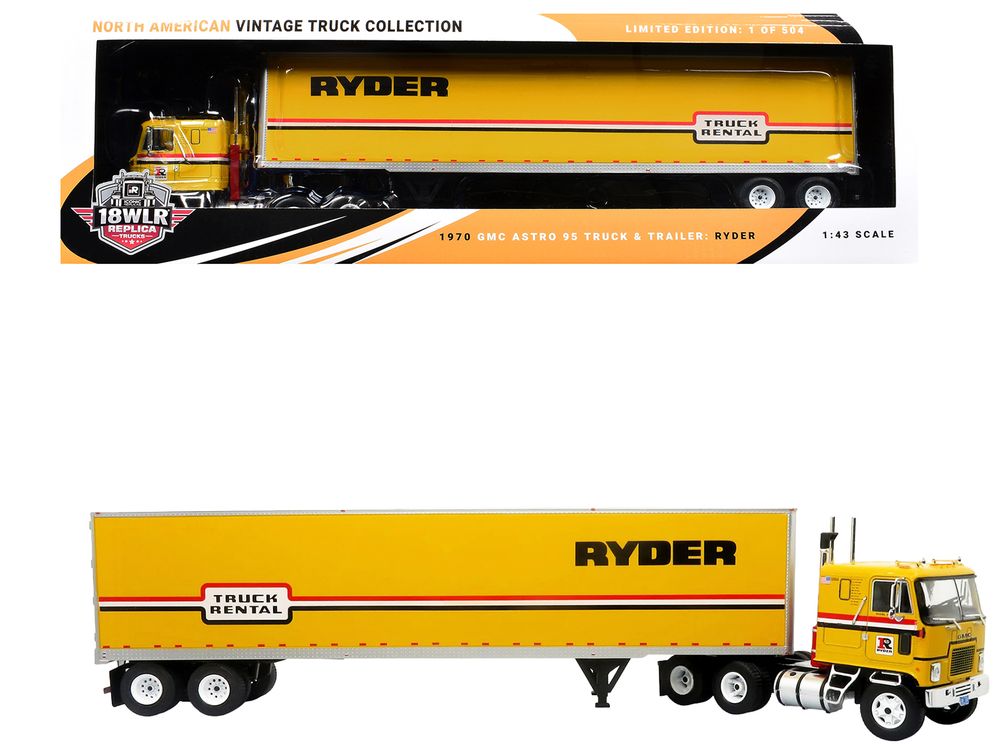
Want to spotlight fleet branding or logistics themes? A long-hauler brings scale and presence to any display. The UPS Tractor Trailer 1:64 pairs seamlessly with warehouse or city-street dioramas and offers huge real estate for custom decals, numbers, and route markings. Racing collectors can also elevate podium displays by adding themed signage and pit accessories around sets like the Indy 500 Podium 3-Car Set, turning a small shelf into a conversation-starting scene.
Whether you’re building a gift, promoting a local event, or rounding out a theme collection, bespoke pieces let you control every detail—from stance and tire width to interior trims and plate frames. That control translates into models that look cohesive and intentional, not random. And when you use collector-grade bases, your hard work sits on top of strong castings that are built to last.
Follow these steps to design, build, and protect a standout piece from start to finish.
Define the purpose. Are you honoring a racer, recreating a family ride, or building a brand promo? A clear purpose informs the scale, base model, and livery choices. Write down the story you want the model to tell, then keep referring to it as your north star.
Pick the ideal base casting. Choose a brand and body that already nails the shape and trim you need. For muscle builds, consider GreenLight or Auto World castings; for shop trucks or patina projects, something like the 1956 Ford F-100 is a proven foundation.
Choose the scale strategically. 1:64 wins for variety and diorama compatibility; 1:43 balances detail with space; 1:24 and 1:18 highlight paint, engine bays, and interiors. Match the scale to your display area and the level of detailing you want to showcase.
Map the design. Sketch your color scheme, stripes, sponsor badges, and plate numbers. Decide on stance, tire width, and finish (gloss, satin, or matte). This pre-visualization reduces rework and keeps costs under control.
Prep like a pro. Carefully disassemble the model. Strip paint if needed, then wet-sand to smooth the surface. Degrease before primer; a clean shell helps primer bite and keeps top coats glassy, not grainy.
Prime, paint, and detail. Use light coats and proper curing time. Mask clean lines for stripes or two-tone effects. Finish small parts—grilles, bezels, wipers, and trim—before reassembly to avoid handling scuffs.
Apply decals and clear coat. Use setting solutions for tight curves and rivet lines. After decals fully set, lock them in with a compatible clear. For workhorses, consider a satin or matte top coat to showcase realism.
Display with intention. Craft a simple base, add signs, or pair it with a set like the Indy 500 Podium 3-Car Set for immediate visual impact. Good lighting and dust protection help your work shine for years.
Document the build. Take before-and-after photos, note paint codes, and track sources for wheels and decals. This record makes future projects faster and ensures you can replicate results across a theme.
Pick based on your goal and space. 1:64 offers huge variety, easy diorama building, and cost control—great for fleets, race grids, and city scenes. 1:24 and 1:18 are perfect when you want paint depth, interior detail, and engine bay realism. If you’re customizing for a desk or shelf with limited space, 1:64 delivers the best balance of detail and footprint.
Surface prep is the foundation. Clean, prime, and use thin color coats with full cure time. Apply decals with a setting solution, then seal with a compatible clear coat—gloss for show cars, satin or matte for work trucks and racers. Avoid mixing unknown clears and paints; do a compatibility test on a hidden area first.
Absolutely. Tractor-trailers and support vehicles add depth to city and pit-lane scenes. The UPS Tractor Trailer 1:64 is a standout platform for unit numbers, route markings, and company branding. For motorsport displays, pair a personalized pace car or team hauler with a podium or pit set to tell a complete story.
Bespoke miniatures let you turn a good collection into a memorable one. With a clear plan, a quality base casting, and a few pro techniques, your build will look cohesive, durable, and display-ready. Muscle fans can start with a proven canvas like the GreenLight 1968 Plymouth GTX, while diorama builders can anchor a scene with the 1956 Ford F-100 or a branded hauler. If you’re ready to create a signature piece, explore quality platforms today and bring your vision for custom diecast cars to life.
The team at DiecastModeler.com specializes in collector-grade vehicles, diorama planning, and modification techniques that help hobbyists build with confidence. We test and compare castings from trusted brands, then share practical advice you can use right away. Thanks for reading—happy building and display!
The content in this blog post is intended for general information purposes only. It should not be considered as professional, medical, or legal advice. For specific guidance related to your situation, please consult a qualified professional. The store does not assume responsibility for any decisions made based on this information.