$41.24
Updated on: January 18, 2026
Summary: Automobile diecast collectibles offer enthusiasts an affordable way to build impressive collections of detailed miniature vehicles. Whether you're interested in classic cars, modern sports vehicles, or commercial trucks, these precision-crafted models deliver exceptional quality and authenticity. Discover how to start your collection, find rare pieces, and unlock the joy of owning beautifully crafted scale replicas that celebrate automotive history and design.
For decades, automobile diecast collectibles have captivated enthusiasts around the world. These meticulously crafted miniature replicas represent more than simple toys—they are investments in automotive history, artistry, and nostalgia. Whether you're drawn to the gleaming chrome of vintage classics, the aggressive lines of modern supercars, or the functional charm of working trucks and commercial vehicles, there's a scale replica waiting for you.
The beauty of collecting die-cast models lies in accessibility. Unlike full-size automobiles, these precision-engineered pieces fit comfortably on shelves, in display cases, or within curated collections. Each model tells a story, preserves a moment in automotive design, and provides genuine satisfaction to owners who appreciate craftsmanship and detail. Starting today, you can begin building a collection that reflects your passion for vehicles and brings joy for years to come.
Collecting scale model automobiles serves multiple purposes beyond simple entertainment. For automotive enthusiasts, these pieces preserve designs that might otherwise fade into obscurity. A 1957 Plymouth Belvedere or a classic 1956 Ford pickup truck becomes tangible through a meticulously detailed replica, allowing you to appreciate engineering and styling decisions made decades ago.
Educational value extends to younger generations who learn vehicle history through hands-on exploration of scale models. Display collections spark conversations and create focal points in homes and offices. Many collectors report that building and maintaining their collections provides stress relief and creative satisfaction. The hobby connects you with a global community of like-minded enthusiasts who share your passion for automotive preservation and artistry.
Financial considerations matter too. While not every model appreciates dramatically, limited editions and rare variants can hold or increase in value. Building a thoughtful collection requires research and patience—qualities that reward dedicated collectors with both personal fulfillment and potential investment gains.
Budget-Friendly Options ($5–$15 per model):
Mid-Range Premium Models ($20–$50 per model):
Ultra-Premium Collectibles ($50–$200+ per model):
Before making your first purchase, consider these essential factors:
When starting your collection, certain models consistently appeal to newcomers and experienced enthusiasts alike. Classic American trucks represent exceptional value and nostalgia. The 1956 Ford F-100 pickup exemplifies mid-century design and captures the golden age of commercial vehicles. These models typically feature excellent detail despite affordable pricing.
Modern commercial vehicles offer contemporary appeal. The UPS tractor-trailer replica resonates with collectors interested in real-world transportation and logistics history. These working vehicles showcase engineering efficiency and have become increasingly collectible.
Specialty collections command attention too. Limited editions celebrating specific events, movies, or anniversaries provide unique opportunities for focused collecting. Greenlight's premium lines and Barrett-Jackson auction house collaborations deliver museum-quality pieces that appeal equally to casual fans and serious investors.
Diorama enthusiasts find tremendous satisfaction in contextualizing their collections. Specialized commercial models complement diorama scenes depicting realistic scenarios, from highway rest stops to construction sites. This approach transforms collecting from passive appreciation to active storytelling.
Building a meaningful automobile diecast collection represents an investment in joy, history, and craftsmanship. Start modestly, educate yourself about quality and pricing, and let your passion guide your collecting decisions. Don't feel pressured to purchase every available model—selective, thoughtful collecting yields greater satisfaction than accumulating indiscriminately.
Protect your investments through proper storage and display. Keep original packaging for valuable pieces, maintain models carefully, and consider environmental factors like humidity and sunlight exposure. Quality display enhances both preservation and enjoyment of your collection.
Connect authentically with the collecting community. Share your finds, learn from experienced collectors, and celebrate the hobby's cultural and historical significance. Whether you collect for investment, nostalgia, education, or simple appreciation of automotive design, your collection becomes a personal statement reflecting your values and interests. Start your journey today with trusted retailers and discover the timeless appeal of scale model automobiles.
The 1:64 scale represents the most popular choice for collectors, offering excellent detail at affordable prices with manageable display requirements. The 1:43 scale provides enhanced detail for focused collections, while 1:24 scale models deliver museum-quality presentation for premium investments. Choose based on available display space, budget, and desired detail level. Many successful collectors maintain multiple scales for different purposes.
Research production numbers—limited editions appreciate faster than mass-produced variants. Verify manufacturer reputation and authenticity through dealer credentials. Monitor completed sales on collector platforms to understand market trends. Focus on models celebrating significant automotive history, iconic designs, or notable collaborations. Condition matters tremendously; mint-in-box models command premiums over loose examples. Patience yields better returns than rushing purchases based on momentary enthusiasm.
Established retailers specializing in scale models offer current releases and back catalog items. Online communities and collector forums connect you with fellow enthusiasts buying and selling pieces. Hobby shops in your region often stock exclusive variants. Auction sites sometimes feature rare vintage pieces, though prices reflect premium demand. Attend collector shows and conventions where dealers showcase extensive inventory and provide expert knowledge. Building relationships with specialty retailers increases access to pre-release announcements and exclusive offerings.
This personal decision balances investment value against enjoyment. Mint-in-box condition commands higher resale prices, appealing to investment-focused collectors. Opening and displaying models delivers daily aesthetic pleasure and practical appreciation of craftsmanship. Many collectors compromise by purchasing duplicates—one to open and display, one to preserve. Consider your primary motivation; collectors prioritizing enjoyment typically remove packaging, while investment-minded enthusiasts maintain sealed boxes for appreciation potential.
Authenticity and accuracy determine desirability among serious collectors. Limited production numbers create scarcity value. Models celebrating significant vehicles, historical moments, or licensed collaborations appreciate faster. Condition impacts value dramatically—mint examples command substantial premiums. Manufacturer reputation and quality craftsmanship distinguish valuable pieces from mass-market alternatives. Documentation and provenance enhance collector appeal. As with any collectible, combination of factors determines ultimate value rather than single characteristics.
Protect models from direct sunlight, extreme temperature fluctuations, and excessive humidity. Glass display cases offer superior protection while showcasing details. Archival-quality storage prevents deterioration of packaging for valuable pieces. Organize collections logically—by manufacturer, era, vehicle type, or scale—for both aesthetic appeal and practical management. Ensure stable shelving away from traffic areas where accidental impacts could damage pieces. Climate-controlled environments preserve finishes and prevent paint fading. Handle models minimally, using clean hands to avoid transferring oils that degrade paint quality.
Absolutely. Start with budget-friendly entry-level models from reputable manufacturers. Focus on specific themes allowing deeper expertise—perhaps 1960s muscle cars or contemporary utility vehicles. Purchase selectively rather than accumulating random models. Research thoroughly before buying, understanding market values and production numbers. Many valuable collections grew slowly through disciplined, thoughtful acquisition. Building volume in lower price ranges teaches collecting fundamentals while developing knowledge that enables better investment decisions later. Passion and patience matter more than initial financial investment.
Diecast models feature metal bodies created through die-casting processes, providing durability and realistic weight compared to plastic alternatives. This manufacturing method enables precision detailing and superior paint finishes. Diecast typically commands collector interest and higher valuations than plastic models. The term specifically describes metal-bodied miniatures, distinguishing them from plastic models, resin castings, or scratch-built replicas. Premium diecast models often incorporate multiple materials—metal bodies, plastic windows, rubber tires, and metal details—creating vehicles rivaling professional restoration quality.
Exceptional gifts, scale model automobiles appeal to automotive enthusiasts across all age groups. Choose models matching recipient interests—favorite vehicles, brands, or eras. Premium quality models demonstrate thoughtfulness and respect for the recipient's passion. Consider personalization through models celebrating significant cars or special commemorative editions. Pair gifts with collector guides or display accessories for enhanced presentation. Most enthusiasts appreciate additions to their collections, making diecast models among the most appreciated gifts for car lovers.
Online communities, forums, and social media groups dedicated to scale model collecting offer immediate connection with thousands of enthusiasts worldwide. Attend regional collector shows, hobby conventions, and automotive events featuring specialist dealers. Join local collector clubs hosting monthly meetings and organized collecting events. Subscribe to hobby magazines and specialized websites providing collecting guidance and market information. Building genuine relationships within the community provides friendship, knowledge sharing, and opportunities for trading or purchasing pieces that might not appear through retail channels.
Commercial vehicles and working trucks experience tremendous growth as collectors appreciate functional design and real-world applications. Licensed movie and television vehicles attract popular culture enthusiasts. Limited commemorative editions celebrating historical events or anniversaries command attention. Weathered or custom finishes appealing to modelers and diorama builders represent emerging interest. Asian and international vehicle models gain popularity as collectors broaden geographic focus. Niche categories celebrating specific manufacturers or vehicle types attract dedicated specialist collectors building comprehensive archives.
Maintain mint condition through careful storage and minimal handling. Preserve original packaging for valuable pieces—this dramatically impacts resale value. Document your collection photographically with condition notes and purchase information. Store in climate-controlled environments preventing humidity, temperature extremes, and light exposure. Keep receipts and authentication documents establishing provenance. Handle models with clean hands, avoiding dust accumulation through regular gentle cleaning. Consider insurance for substantial collections, protecting against loss or damage. Build relationships with reputable dealers familiar with your collection for accurate valuations.
Specialized retailers focusing exclusively on scale models typically offer superior selection, knowledgeable staff, and competitive pricing. Quality retailers provide curated selections from trusted manufacturers alongside expert guidance. Online platforms expand access to inventory unavailable locally. Hobby shops maintain personal relationships supporting long-term collectors. Retail diversity prevents overdependence on single sources—cultivate relationships with multiple dealers. Compare pricing across sources, but prioritize authenticity, condition guarantees, and customer service. Building loyalty with specialty retailers often yields access to exclusive variants and pre-release opportunities not available through general retailers.
Yes, though prices reflect age and scarcity. Original Dinky Toys and Matchbox models from this era command premium pricing, especially in excellent condition. Reproductions and later reissues offer affordable alternatives for enthusiasts valuing historical significance without investment budgets. Focus initially on understanding grading standards and market values to avoid overpaying for common variants. Connect with vintage collectors who provide guidance on authenticity and realistic valuations. Building vintage collections requires patience and research but rewards dedicated collectors with tangible connections to collecting history.
Dioramas transform static collections into dynamic storytelling environments. Building themed displays—highway scenes, service stations, race events, or urban settings—enhances appreciation and creative expression. Diorama construction combines collecting with scale modeling, scratch building, and landscaping skills. Context enriches individual model appreciation, similar to how museum displays enhance artifact understanding. Many collectors find diorama building equally rewarding as model acquisition. Starting simply with basic scenic elements allows gradual complexity expansion as skills develop and collections grow.
Diecast replicas preserve designs and engineering details that might otherwise fade from memory. Limited-run models commemorate significant vehicles, racing achievements, and automotive milestones. Museums and institutions increasingly recognize scale models as legitimate historical documentation. Building thematic collections creates visual automotive timelines illustrating design evolution. Commercial vehicle models document transportation history and industrial development. Specialized replicas celebrating notable cars, trucks, and experimental vehicles create permanent records of automotive achievement and innovation. In this capacity, collectors become stewards of automotive heritage.
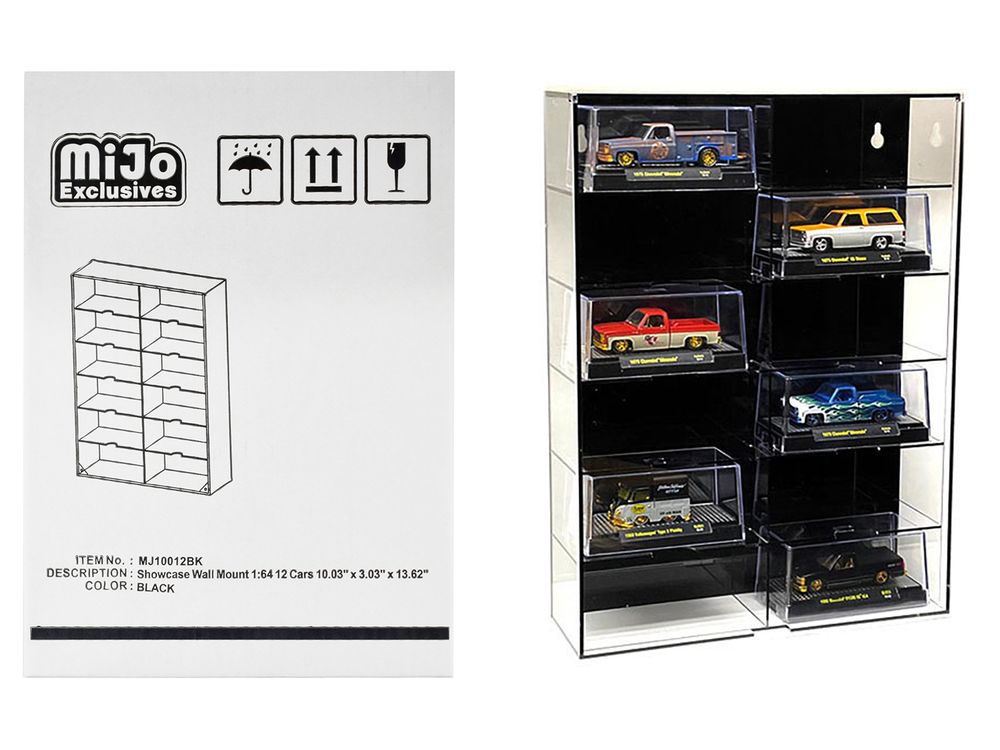
Glass display cases protect models while showcasing details. LED lighting dramatically enhances presentation and highlights paint finishes. Rotating turntables allow 360-degree viewing of featured pieces. Wall-mounted shelving maximizes display space. Branded signage, manufacturer logos, and thematic backdrops create cohesive presentations. Diorama bases and scenery integrate models into contextual environments. Display risers and platforms create visual hierarchy preventing monotonous flat arrangements. Quality display transforms collections from stored items into curated exhibitions worthy of home or office settings.
Verify packaging quality and printing clarity—genuine products feature sharp, professional presentation. Inspect paint finishes for imperfections suggesting inferior manufacturing. Check metal body weight and finish quality compared to known authentic examples. Confirm manufacturer marks and branding stamped or printed accurately. Purchase exclusively from authorized retailers with established reputations. Research specific models comparing photographs of authentic examples to potential purchases. Request certificates of authenticity for high-value collectibles. Build relationships with trusted dealers who guarantee authenticity. Exercise skepticism toward suspiciously discounted items from questionable sources.
Conservative expectations regarding appreciation prevent disappointment. Limited editions and rare variants appreciate more reliably than common releases. Condition substantially impacts value—mint pieces command premiums justifying careful preservation. Focus on models with demonstrated market demand rather than speculating on every release. Entertainment value and personal enjoyment should exceed potential investment returns for sustainable hobby participation. View collecting primarily as passion with secondary investment benefits rather than pure financial speculation. Understanding this balance creates realistic expectations and sustainable collecting practices.
The content in this blog post is intended for general information purposes only. It should not be considered as professional, medical, or legal advice. For specific guidance related to your situation, please consult a qualified professional. The store does not assume responsibility for any decisions made based on this information.


