$79.60
Updated on: 2025-12-27
If you’re building a collection that looks authentic, feels solid, and holds value, this guide shows you exactly how to identify and buy high-quality diecast models. You’ll learn how to spot true metal construction, working features, and licensed details that make a model worthy of display. We also share real-world use cases, quick buying tips, and four proven picks you can add to your shelf today. By the end, you’ll know how to choose pieces that photograph beautifully, anchor your diorama, and impress any collector who sees them.
Collectors want models that look real, display cleanly, and hold up to handling. That’s where premium die-cast replicas shine. Durable zinc alloy bodies, precise tampo graphics, and licensed details create an instant “wow” factor on a shelf or inside a scene. Whether you build a retro garage diorama, shoot macro photos for social, or curate a brand-specific lineup, selecting the right pieces makes your collection feel complete.
In this guide, we focus on practical buying decisions and avoid hype. You’ll learn what to check before you buy, what features matter most, and how to match a model’s scale and brand to your goals. We highlight working parts (opening hoods, steerable wheels), paint quality (consistent color, crisp lines), and fit-and-finish (panel gaps and clear headlights). We also include four tried-and-true recommendations that deliver strong detail for the price. If you want a collection that looks uniform and polished, this will save you time and returns.
- Display: Choose consistent scales and complementary eras for a clean visual line across a shelf.
- Diorama: Pick models with rolling wheels and opening parts for authentic storytelling and staging.
- Photography: Prioritize accurate proportions, clear windows, and sharp badging for close-ups.
- Gifting: Select licensed liveries or iconic years that spark instant recognition.
When I built my first 1:64 diorama, I mixed random brands and scales. The result looked cluttered and uneven in photos. I reset with a plan: a truck-forward scene that highlighted utility vehicles and a couple of classic rides. Switching to licensed replicas with consistent finishes changed everything. The diorama felt believable, the camera loved the details, and friends kept asking where to buy the same pieces.
One collector message stuck with me: “I finally stopped impulse buying. Now I look for metal bodies, clear lenses, and aligned graphics. My display went from busy to museum-like.” That’s the heart of collecting—curate with intent, and every model works harder for you.
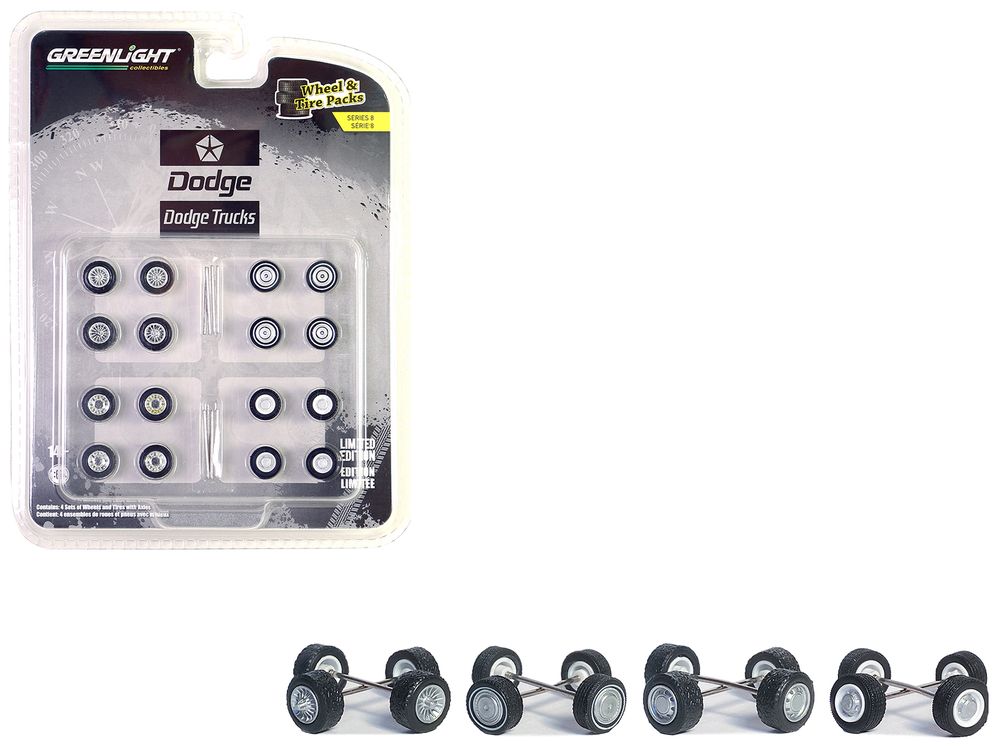
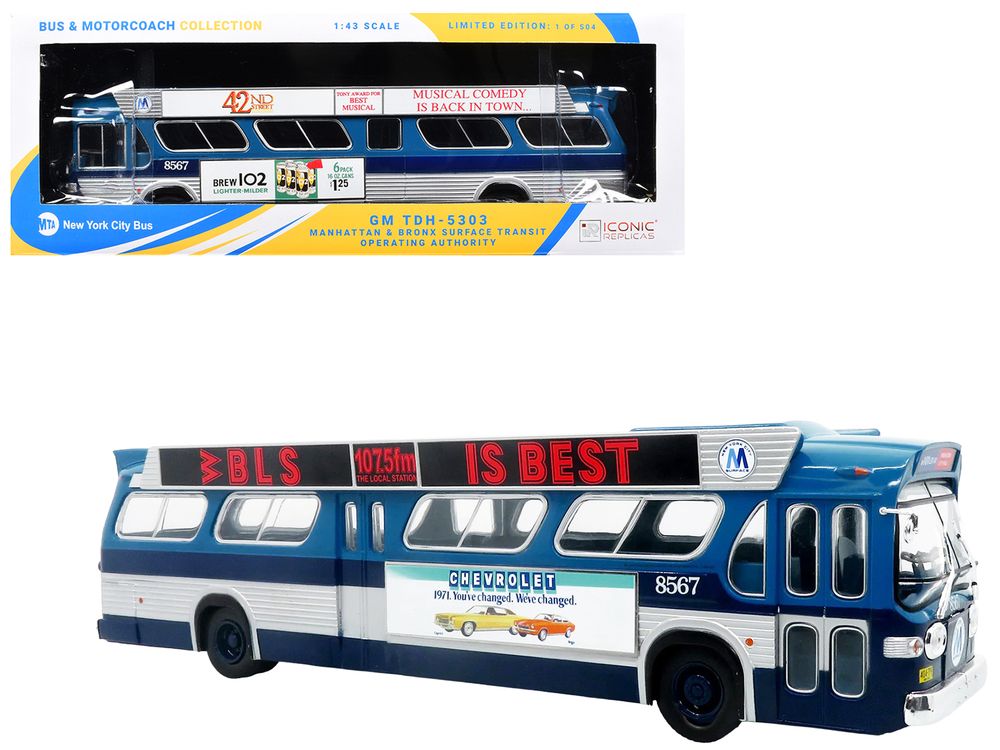
These four options deliver standout realism, sturdy materials, and strong shelf presence. Each supports distinct use cases—street scenes, work yards, or Americana displays.
Tip: Keep packaging until you confirm panel alignment and paint. If something’s off, it’s easier to exchange when the box is pristine.
The fastest way to elevate a collection is to buy deliberately. Favor metal bodies, clean graphics, and licensed details over gimmicks. Align scale, era, and theme so every new piece strengthens your display. Consider models that play multiple roles: shelf, diorama, and photography. When in doubt, compare wheel fitment, headlight clarity, and paint consistency across brands. You’ll spend smarter and enjoy your display more.
Ready to refine your lineup? Explore the four picks above, then build out your theme with matching eras and scenes. Curate once; admire daily.
First, check the feel: zinc alloy castings are cool to the touch and more rigid than plastic. Look at the underside—many brands mark body material, and you can often see the difference in sheen between metal bodies and plastic bases. Tap gently with a fingernail; metal sounds denser. Finally, examine panel edges and door shuts. Metal castings have sharper lines and tighter seams, which helps parts line up cleanly in photos and on display.
For compact scenes and a wide variety of accessories, 1:64 offers huge flexibility. You can build full streets and parking lots without needing a large table, and brands frequently release work trucks, trailers, and classics that bring scenes to life. If you want more interior detail or prefer macro shots with visible gauges and seat textures, 1:43 and 1:24 deliver larger surfaces and deeper light play. Choose one scale to keep your display cohesive, then stick with it as you grow.
Use soft, acid-free dividers or foam slots so castings don’t touch. Avoid extreme heat, which can soften tires and imprint on the base or shelf. If you rotate displays, store models facing forward and upright to keep axles straight. Dust cases regularly—fine particles can dull gloss over time. For long-term storage, keep the original box and blister when possible; it adds protection and helps preserve value.
Start with finish: even paint, clear lenses, and sharp tampo work. Then check proportions and stance—wheels should sit squarely in the arches. Functional details are a bonus, but a clean silhouette and accurate badging often matter more for daily enjoyment. When comparing options, prioritize licensed trims and consistent scaling across your collection. If you’re evaluating multiple listings, always look at collector photos to verify color accuracy under real light.
Absolutely. Stick to one scale and a theme—such as classic pickups, municipal fleets, or muscle cars. Then compare finishes and wheel sizes so the lineup appears consistent. Mixing a few standout utility vehicles with a hero car creates a strong focal point for shelf or scene. Use road signs, figures, and ground textures to tie everything together.
Written by the enthusiast team at DiecastModeler.com , where we test-fit castings, build dioramas, and photograph models under real lighting. Our focus is licensed replicas, consistent scales, and practical display tips. Thanks for spending time with us—happy collecting and see you on the shelf!
Disclaimer: Product availability, colors, and specifications may vary by batch. Always review item photos and descriptions before purchase.
The content in this blog post is intended for general information purposes only. It should not be considered as professional, medical, or legal advice. For specific guidance related to your situation, please consult a qualified professional. The store does not assume responsibility for any decisions made based on this information.